Brumation, hibernation, or winter rest – tortoises brumate in winter; they neither sleep nor rest.
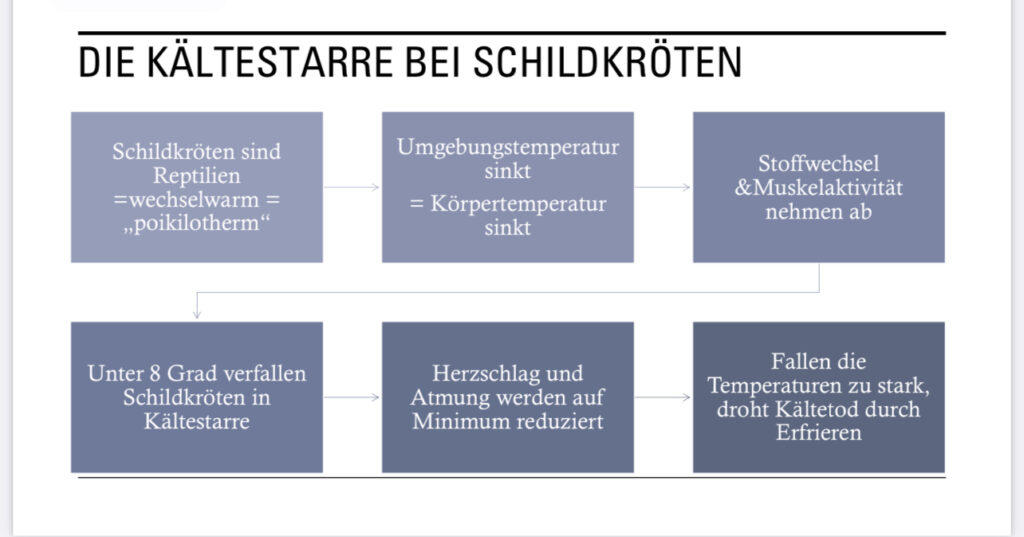
“To survive the cold months, European tortoises enter a state of brumation in the wild. Unlike the hibernation or winter rest of mammals, this is a passive process that occurs in ectothermic animals in response to the ambient temperature: as temperatures fall, the reptile’s body temperature drops too, and all metabolic functions, heartbeat, and breathing rate are reduced to a minimum.”
German Federal Chamber of Veterinarians (Bundestierärztekammer, 2012)
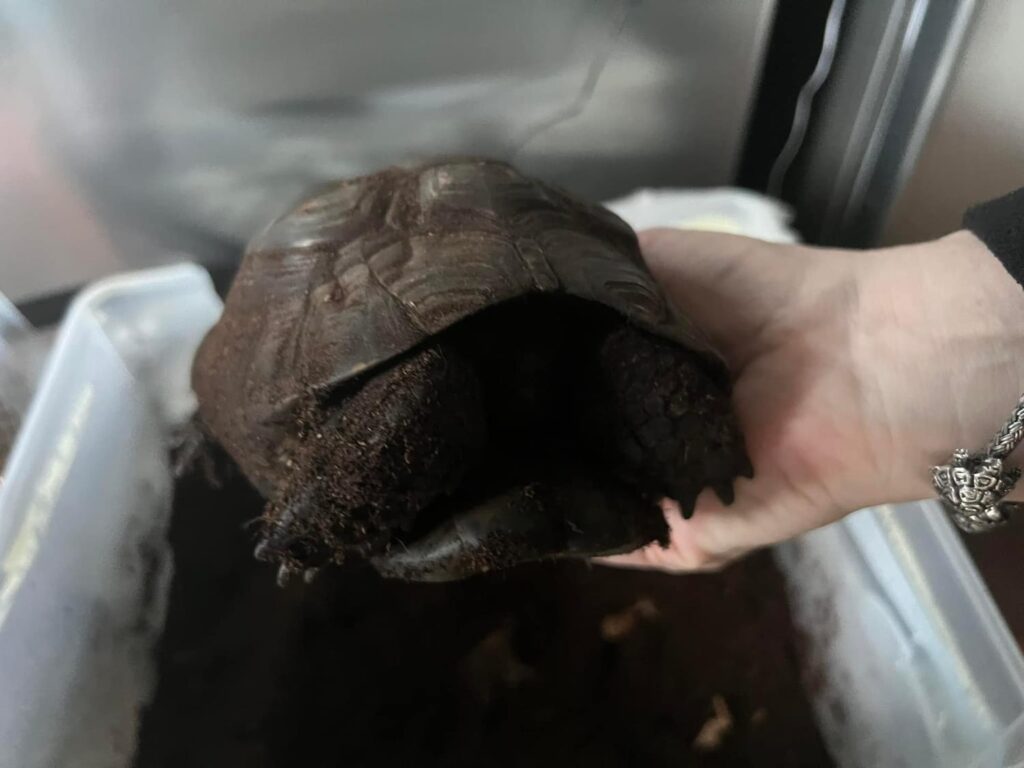
Brumation in tortoises
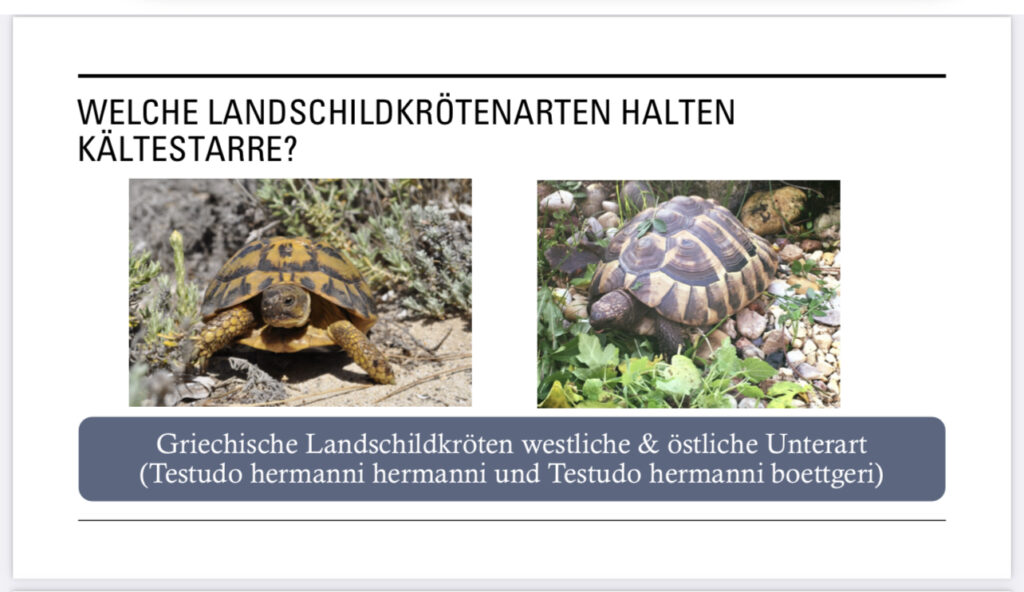
European tortoises brumate in order to survive the cold season. In their natural habitats, they can neither reach their preferred body temperature of 35–38 °C in winter nor find sufficient food. Brumation allows them to sit out the low temperatures in an inactive phase without using up energy.
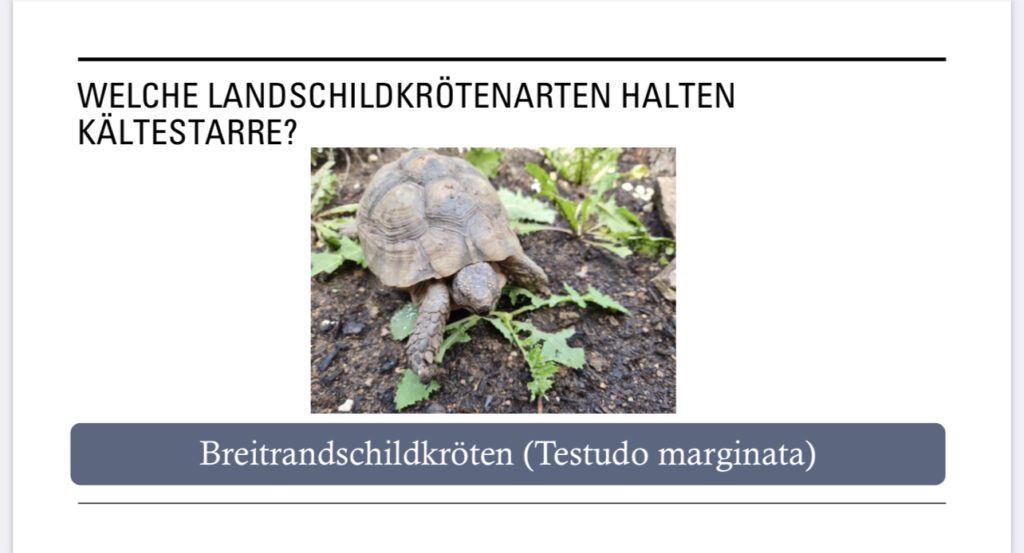
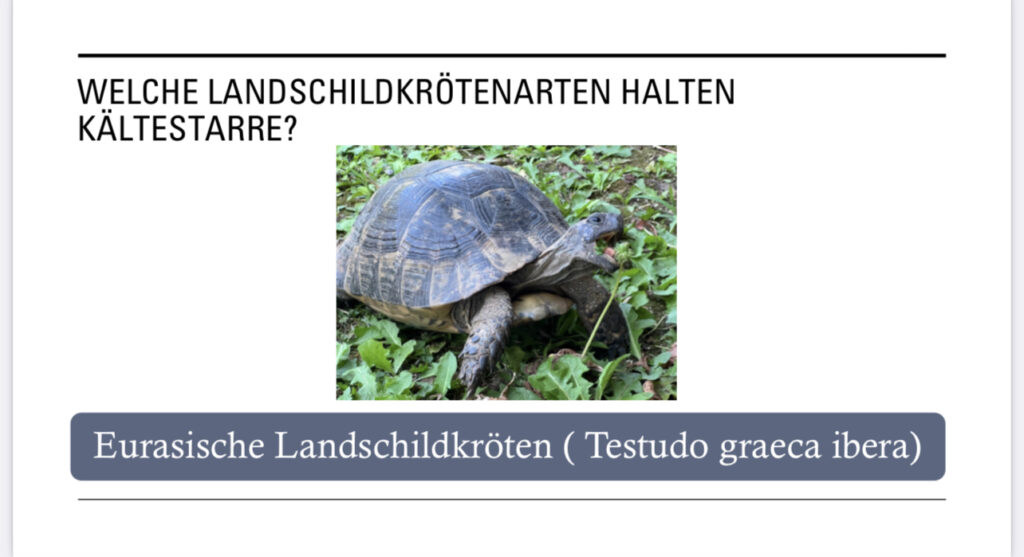
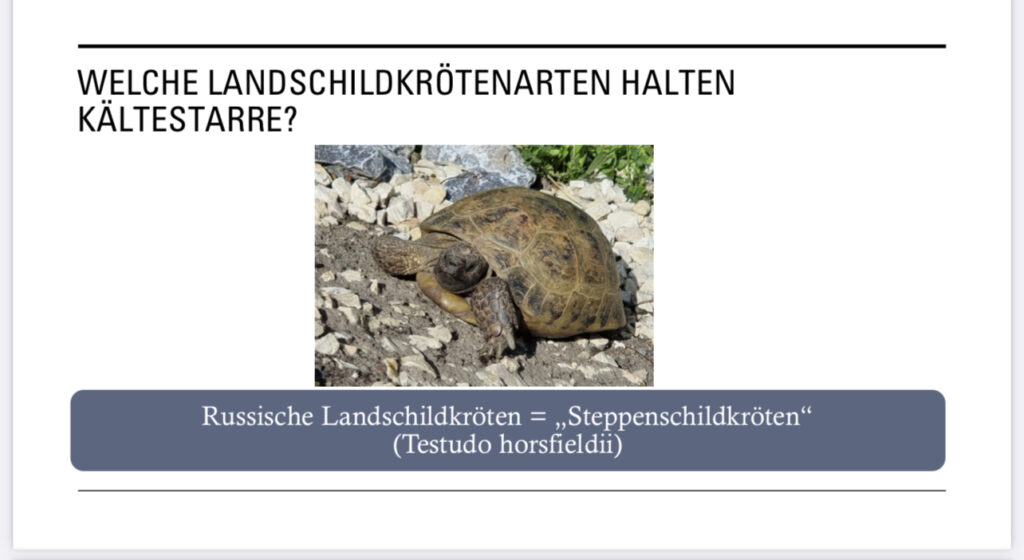
Why “brumation” and not “hibernation”?
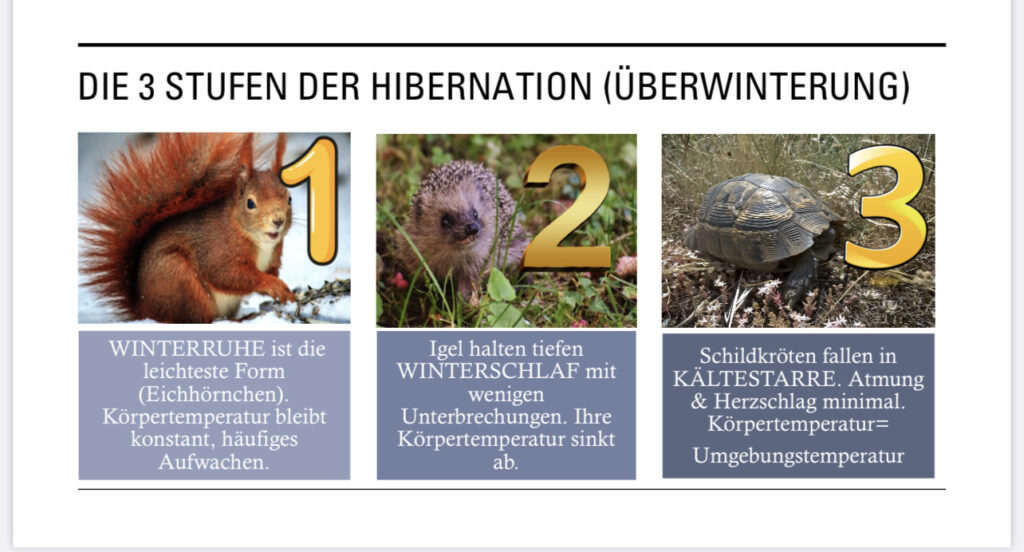
Brumation is often confused with winter rest or hibernation. These terms, however, describe processes in animals that regulate their body temperature through their own heat production. Squirrels, for example, undergo winter rest – the lightest form of overwintering. Hedgehogs hibernate – the next, deeper stage. Reptiles such as tortoises are ectothermic and depend on external conditions to control their body temperature; they therefore undergo the deepest form of overwintering: brumation. Their body temperature drops to the ambient temperature, and heartbeat, breathing, and metabolism are reduced to a minimum.
In older English-language literature and in everyday speech, tortoise brumation is still often called “hibernation”. Both terms describe the same winter phase in tortoises – biologically, however, “brumation” is the accurate term.
The importance of brumation from the very beginning
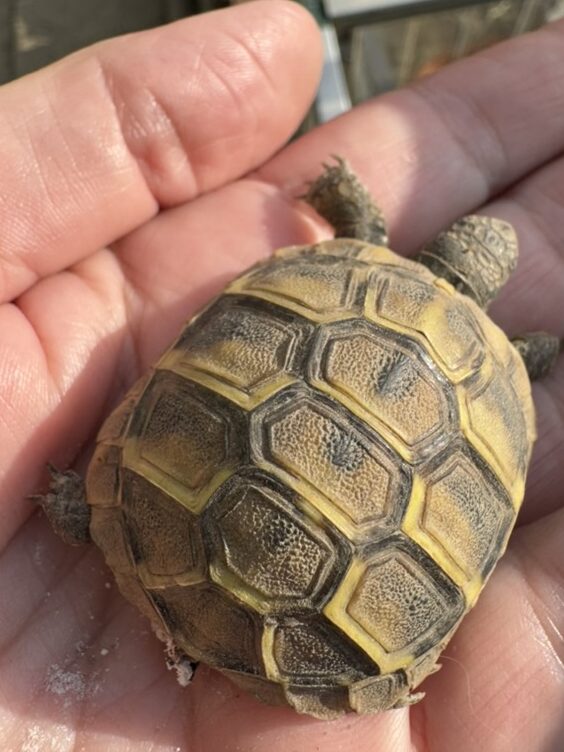
Brumation is a fixed part of the annual cycle of European tortoises and should also be made possible in human care – from the very first year of life. Contrary to outdated recommendations, young tortoises that are denied brumation grow too quickly and develop health problems. Its absence can also impair the hormonal and immune systems. Although brumation is a period of natural selection, it spares many animals a slow decline later in life.
Brumation advice from the German Federal Chamber of Veterinarians
The German Federal Chamber of Veterinarians stresses how important the winter resting phase is for keeping tortoises healthy. This phase, brumation, is particularly significant for European tortoises, as it is their natural adaptation to the cold months. During brumation, the reptiles’ body temperature drops, and metabolic processes, heartbeat, and breathing rate are reduced to a minimum. This supports both the hormonal balance and the immune system, and prevents excessively fast growth – particularly in young tortoises.
Preparing for brumation: in October, as the days become shorter and colder, tortoises gradually prepare for their resting phase. A visit to the vet for a health check and a faecal examination for parasites is advisable.
The brumation box should be placed in a dark place at a constant 4–6 °C.
Brumation methods:
A refrigerator for tortoises: the refrigerator method is considered particularly effective, as the temperature can be precisely regulated and monitored with an electronic thermometer. Opening the refrigerator door regularly ensures a sufficient supply of oxygen. The tortoises should be weighed and their state of health checked every two weeks. Weight loss should be avoided.
Now available in English: the Refrigerator Brumation Handbook.
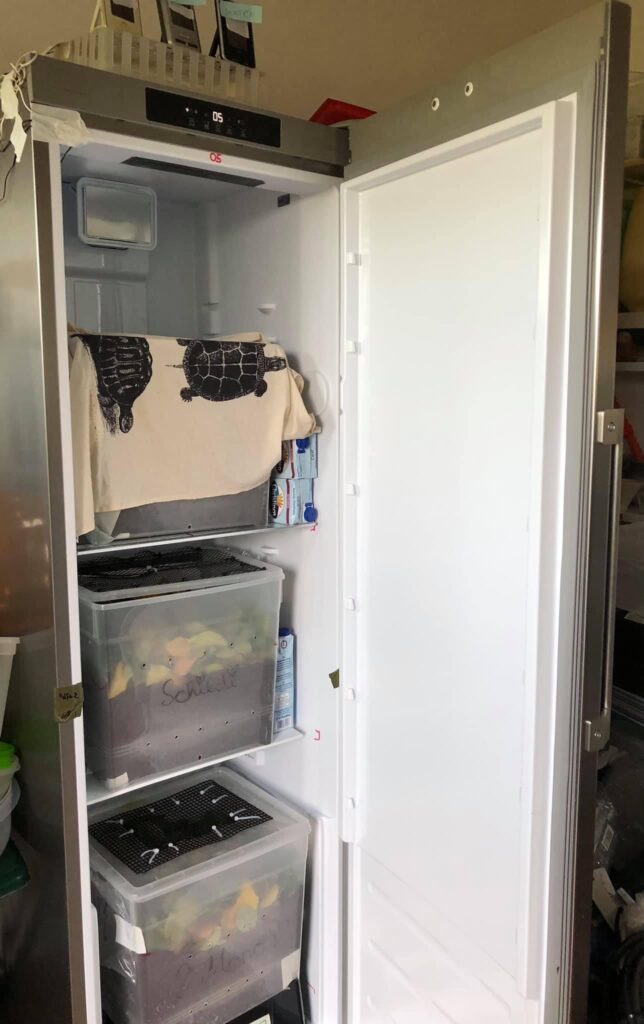
Alternative methods (e.g. cellar, balcony, garage): these are problematic, as the temperature cannot be held constant. Burying the animals in the enclosure carries the risk of harmful temperature fluctuations and makes it difficult to check (in German) on the tortoises’ condition.
Overall, careful and well-considered preparation for brumation is essential to safeguard the health and wellbeing of tortoises in the long term.
(Abridged summary of the information letter on brumation by the German Federal Chamber of Veterinarians, 2012)
We would add that the faecal examination should ideally take place in August, so that enough time remains for any necessary worming treatment. A pre-brumation check-up with a reptile vet raises the level of safety enormously.
Brumation in a protected pit
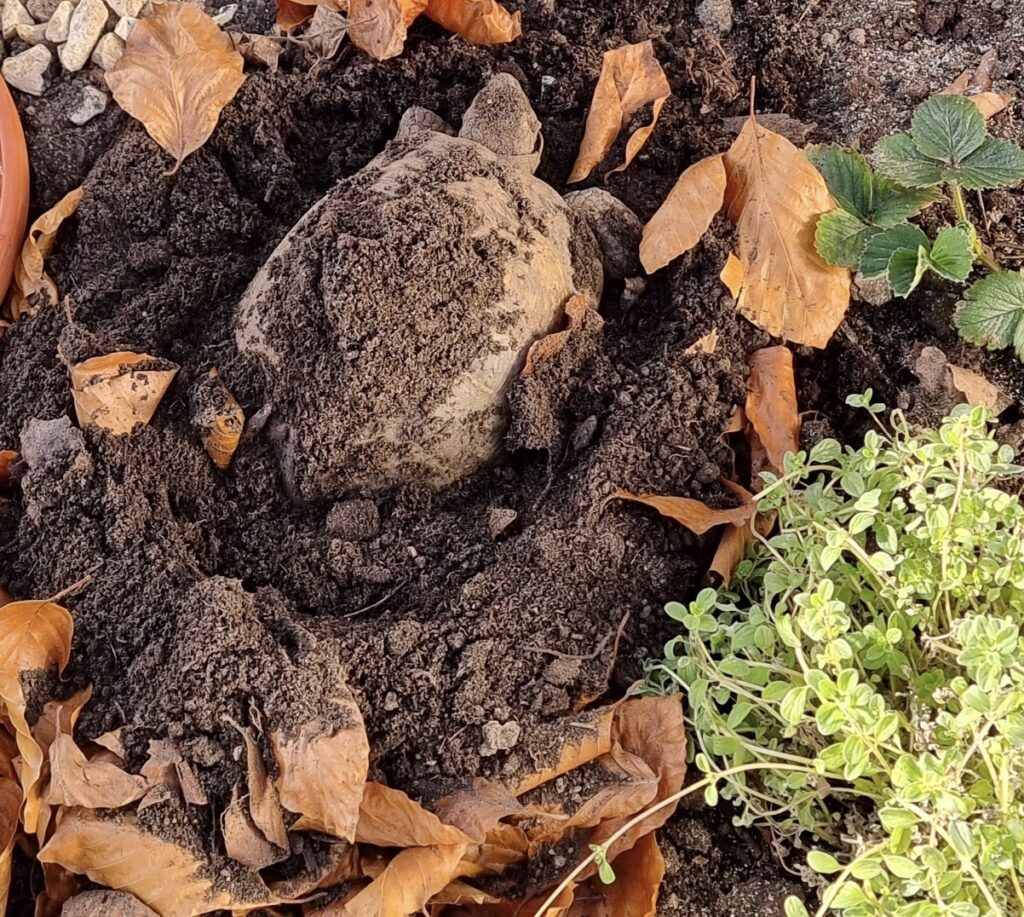
Tortoises that brumate in a pit protected against predators and frost are safeguarded at 5–6 °C, ideally with an electric greenhouse heater. Once the animals have become inactive and the temperature has been in the brumation range for a while, they can be covered with beech leaves, and the cold frame can then be insulated against frost – for example with a hood made of rigid foam insulation. When insulating with leaves, it is worth bearing in mind that insulation works in both directions: too many leaves can stop the necessary warmth from reaching the animal in the pit.
Caution: if a ceramic heat emitter is used, nothing combustible – such as straw, leaves, or a wooden shelter – must be placed within its radiation range. For safety reasons, this hazardous heating method is fortunately being used less and less; moreover, in particularly cold winters it cannot reliably maintain 5–6 °C. Sleeping houses over the pit with a heated lid – a heating cable or heat mat – are also widely used. If only the sleeping house over the pit is heated, we must make sure that the animals stay within the safeguarded temperature range so that they do not freeze in the unheated part.
Pit brumation should always be monitored with thermometers at various depths in the pit and at the surface. Smart thermometers that send an alarm to a mobile phone in an emergency have proved their worth here.
Depending on how well the pit is safeguarded, this is a safe and low-stress way to brumate. More information on building a pit protected against predators and frost is given in the Taschendinos Technology Handbook, with further details from Anke Rotzler under Pit brumation (in German).
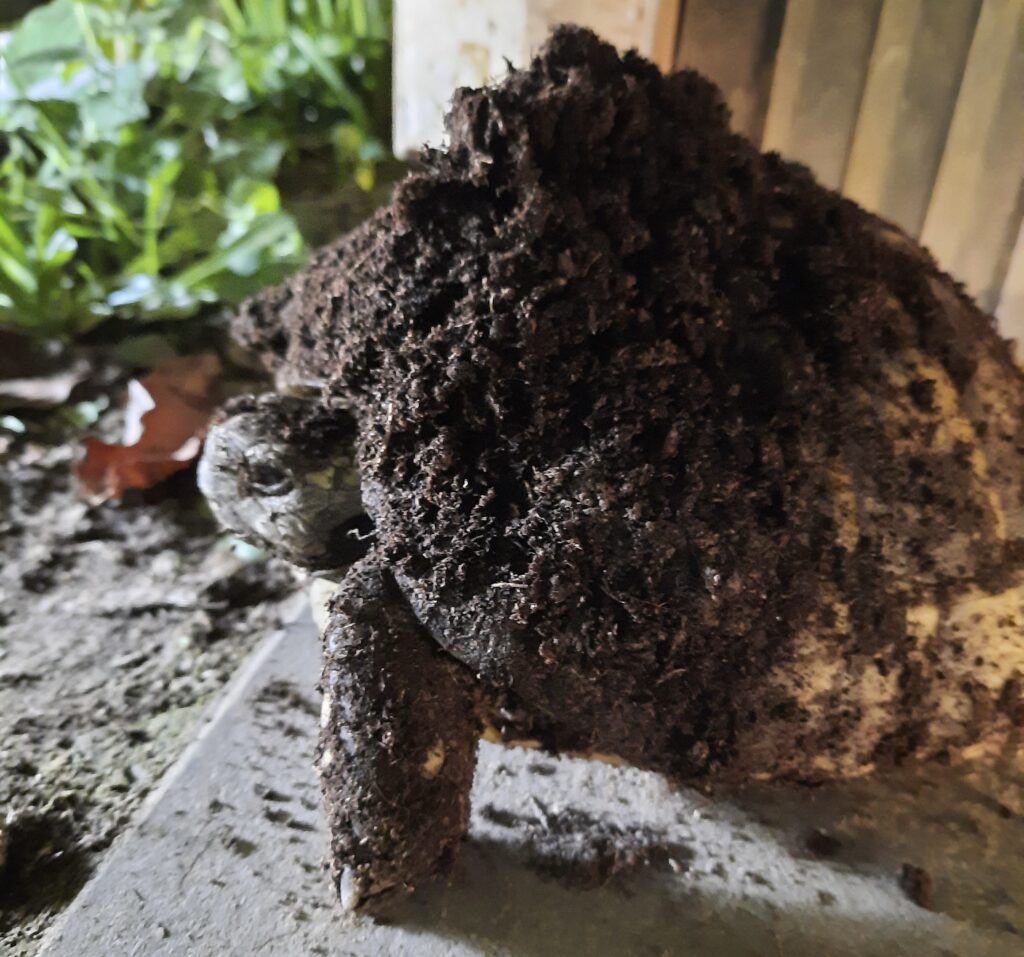
Before brumation, a gradual, step-by-step reduction in temperature in line with the climate of the natural habitats is essential. Our temperature reduction for all brumating species starts at the end of October: Temperature reduction prior to brumation.
How can I tell whether my tortoise is in brumation?
By early December, the time has usually come: at a constant 5–6 °C, the tortoises are in brumation. In particularly mild years, however, the move into brumation can drag on. Before moving a tortoise into the refrigerator, we want to be sure that it is in deep brumation and not merely asleep. The exact procedure is set out in the Refrigerator Brumation Checklist. As a general rule, a tortoise is in deep brumation if it does not wake when weighed and checked, moves at most in slow motion, and keeps its eyes firmly closed. These tortoises can be moved into the refrigerator.
Tortoises that are still looking at us are definitely not yet in brumation – they are merely resting.
What if a tortoise might have died?
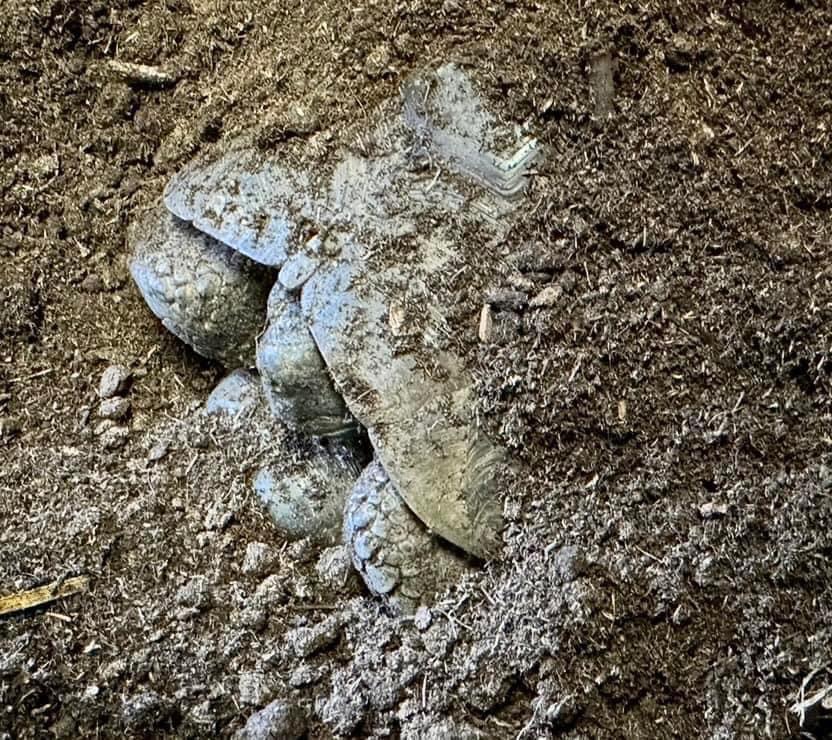
Especially for beginners, it can be difficult at first to tell a dead tortoise from one in deep brumation. Particularly at the lower limit of the brumation range, around 4 °C, there are hardly any visible signs of life, and it can take several hours for an animal to surface. At temperatures in the brumation range below 8 °C, however, it is 99 % certain that the animal is in brumation.
How to tell whether a tortoise may no longer be alive is explained in detail under Has my tortoise died? (in German).
Further reading
The complete, step-by-step guide to safe refrigerator brumation – from temperature reduction to emergence in spring – is the Refrigerator Brumation Handbook, available as a paperback, hardcover, and Kindle eBook. All proceeds go to Schildkroetensuche.org.