Choosing food for European tortoises
Some common food plants for beginners – easy to find, harvest, and grow
Some of the food plants suitable for tortoises are common in Central Europe, especially in arable land and meadows. Others are cultivated plants that are also used in their wild form. The article Food and calcium (English version below the German text) gives more examples of healthy food plants, together with everything about digestion and calcium requirements. Growing food plants is covered in sowing food plants (in German), and seed dormancy in dormancy (in German). For newcomers to tortoise keeping, it is important to know the most important poisonous plants.

The new pocket-sized Poisonous Plants Handbook (English edition in preparation) is a handy field guide to take along when gathering food and checking your own enclosure.
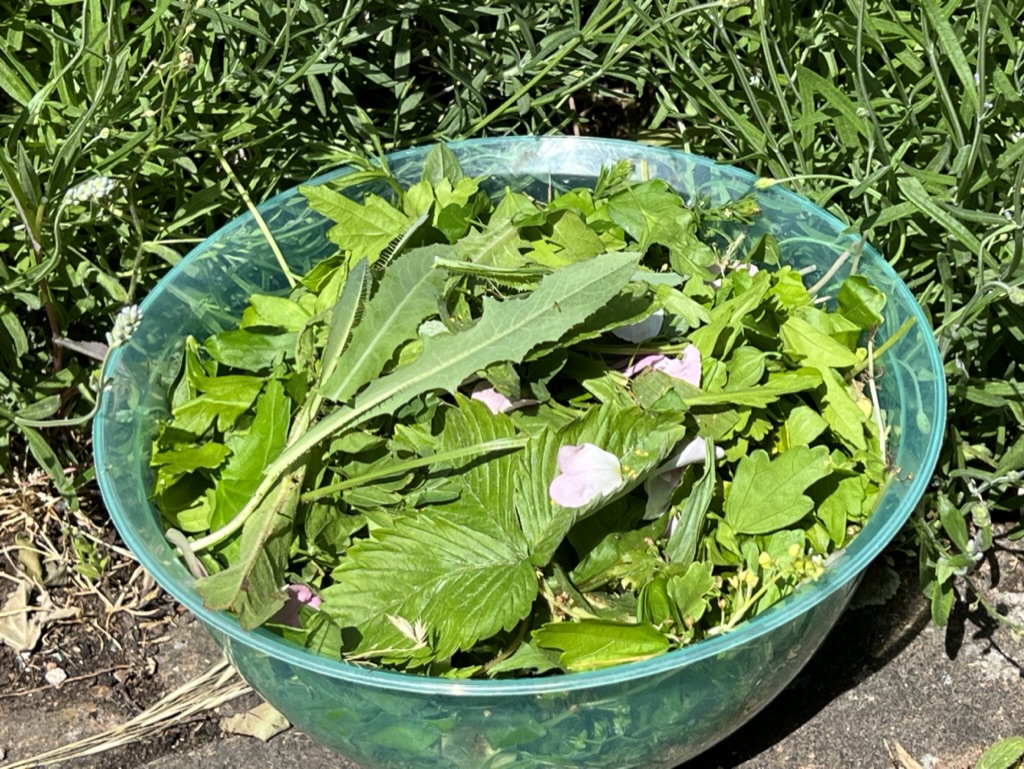
Commonly used species that tortoises like to eat include, for example:
1. Lamb’s lettuce (in German) (Valerianella locusta): Also known as corn salad, this is a tender, easily digestible supplementary food plant that tortoises like to eat. It prefers sunny to partially shaded sites with loose, humus-rich, rather moist soils, and is common on arable land and in gardens.
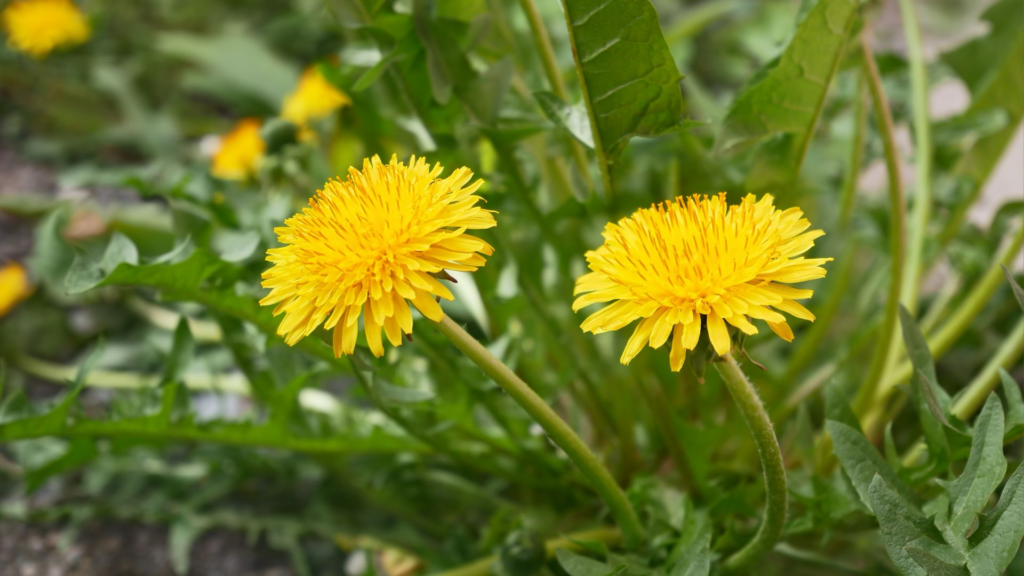
2. Dandelion (Taraxacum officinale): A robust staple food plant, rich in fibre and minerals, that tortoises love to eat. It prefers sunny sites with loose, nutrient-rich to moderately dry soils. Widespread in meadows and gardens, it is known for its bright yellow flowers and the “clocks” that follow. It contains secondary plant compounds (in German) in the form of bitter substances.
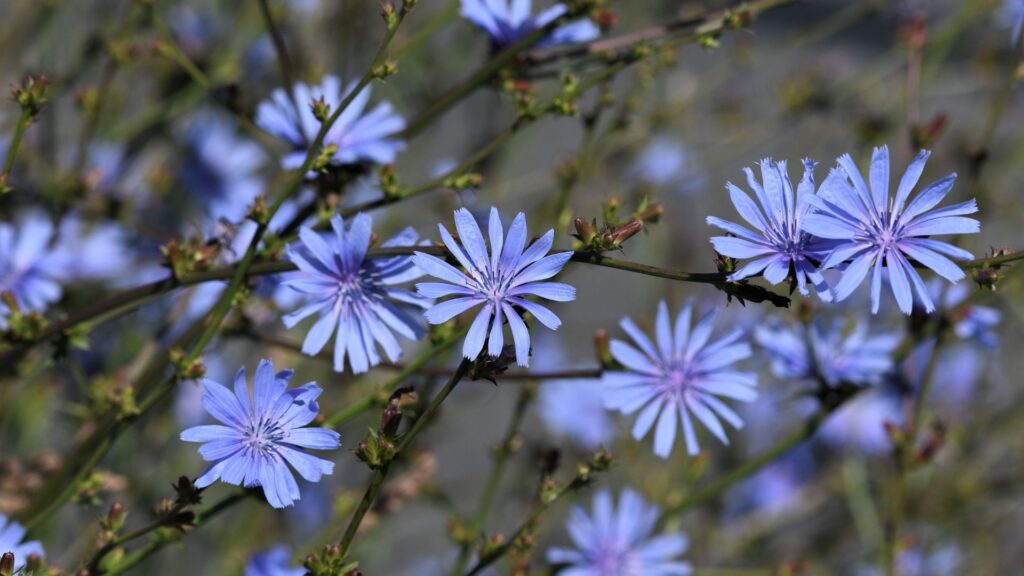
3. Chicory (𝘊𝘪𝘤𝘩𝘰𝘳𝘪𝘶𝘮 𝘪𝘯𝘵𝘺𝘣𝘶𝘴): A very hardy, long-lasting food plant, rich in fibre and containing minerals, that prefers sunny, dry, and moderately nutrient-poor sites. Its bitter substances provide secondary plant compounds.
4. Rough hawksbeard (in German) (𝘊𝘳𝘦𝘱𝘪𝘴 𝘣𝘪𝘦𝘯𝘯𝘪𝘴): An easily digestible supplementary food plant that tortoises like to eat, for sunny to partially shaded, rather poor meadow sites.
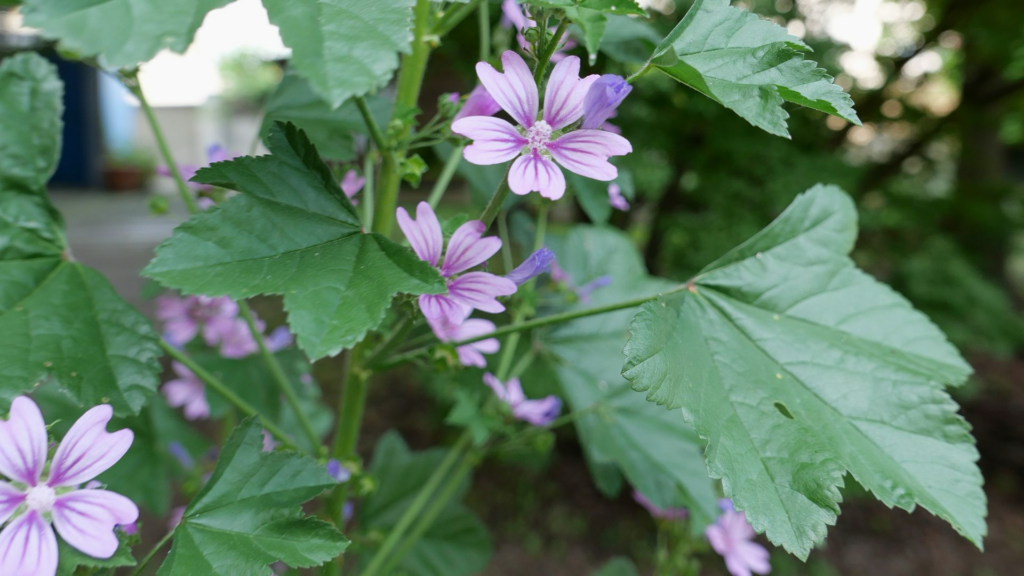
5. Mallows (𝘔𝘢𝘭𝘷𝘢 spp.): Very popular food plants, rich in mucilage and quick to regrow, that prefer sunny to partially shaded, nutrient-rich to moderately dry soils.
6. Evening primrose (𝘖𝘦𝘯𝘰𝘵𝘩𝘦𝘳𝘢 𝘣𝘪𝘦𝘯𝘯𝘪𝘴): A nutritious supplementary food plant and structural perennial for sunny, dry, and sandy sites. A night-time food source for insects.
7. Wild pansy (in German) (𝘝𝘪𝘰𝘭𝘢 𝘵𝘳𝘪𝘤𝘰𝘭𝘰𝘳): A well-tolerated, mainly supplementary food plant with a high proportion of flowers, preferring sunny to partially shaded, loose, and moderately nutrient-rich soils.
8. Dog rose (in German) (𝘙𝘰𝘴𝘢 𝘤𝘢𝘯𝘪𝘯𝘢): A structural woody plant with usable leaves, flowers, and high-fibre fruits (hips) for sunny, dry to moist sites.
9. Willow (in German) (𝘚𝘢𝘭𝘪𝘹 spp.): A robust woody plant whose leaves, rich in secondary plant compounds, are well suited as occasional food; for sunny to partially shaded, moist to damp soils.
10. Belgian endive (in German) (𝘊𝘪𝘤𝘩𝘰𝘳𝘪𝘶𝘮 𝘪𝘯𝘵𝘺𝘣𝘶𝘴 var. 𝘧𝘰𝘭𝘪𝘰𝘴𝘶𝘮): An easily digestible, mineral-rich supplementary food plant for sunny sites with loose, free-draining soils.
11. Jerusalem artichoke (in German) (𝘏𝘦𝘭𝘪𝘢𝘯𝘵𝘩𝘶𝘴 𝘵𝘶𝘣𝘦𝘳𝘰𝘴𝘶𝘴): A tall structural perennial with usable leaves and flowers as supplementary food, for sunny, nutrient-rich, and loose soils.
12. Stinging nettle (in German) (Urtica dioica) – A very healthy food plant, widespread in Europe, that thrives on nutrient-rich soils.
13. Sow thistle (Sonchus): A soft-leaved, easily digestible food plant that tortoises usually love, preferring sunny to partially shaded, nutrient-rich, and rather moist soils. Very easy to grow and a food source for wild bees.
14. Chickweed (in German) (Stellaria media): A tender, very easily digestible supplementary food plant that tortoises like to eat, preferring sunny to partially shaded sites with nutrient-rich, loose, and rather damp soils. Very common in gardens, fields, and flower beds, and known for its rapid growth.
15. Shepherd’s purse (Capsella bursa-pastoris): A fine-leaved, well-tolerated wild plant that tortoises eat occasionally, preferring sunny to partially shaded sites with loose, rather nutrient-rich soils. Common on verges, arable land, and fallow ground.
16. Pot marigold (in German) (Calendula officinalis): A downy medicinal plant, probably originating from the Mediterranean, that tortoises eat with varying enthusiasm. It contains many secondary plant compounds.
17. Lady’s mantle (in German) (Alchemilla vulgaris): A hardy perennial that suits naturalistic tortoise enclosures well. It is suitable both as a hiding plant and as occasional food, and contains many secondary plant compounds.
18. Gallant soldier (in German) (Galinsoga parviflora): An annual herbaceous plant. For tortoises, it is a valuable and completely non-toxic food plant, rich in vitamins and minerals.
19. Winter purslane (in German) (Claytonia perfoliata): An annual to biennial wild salad, also known as miner’s lettuce, that is easy to grow and originally comes from North America. It contains plenty of vitamins and is available in the cold season too. An excellent food source for insects.
20. Field scabious (in German) (Knautia arvensis): Scabious species of the genus 𝘒𝘯𝘢𝘶𝘵𝘪𝘢 are perennial, drought-tolerant wild plants of sunny sites. They provide high-fibre leaves and flowers that European tortoises like to eat, and are also an important food source for many insects.
All these plants are adaptable and thrive in a variety of environments, which is why some are called “wild herbs” or, less kindly, “weeds” – even though many of them have useful properties or are used as food or medicinal herbs.
🐢🌱 Sowing calendar for tortoise enclosures
🍂 September – November
👉 The most important sowing time in the enclosure
Ideal for
- dark germinators
- cold germinators
- long-lived wild perennials
- structural plants
Sow, for example:
Cold germinators such as legumes – all kinds of clover and lucerne, for example.
Staple food plants
- Plantain (𝘗𝘭𝘢𝘯𝘵𝘢𝘨𝘰 spp.)
- Mallows (𝘔𝘢𝘭𝘷𝘢 spp.)
Structural plants
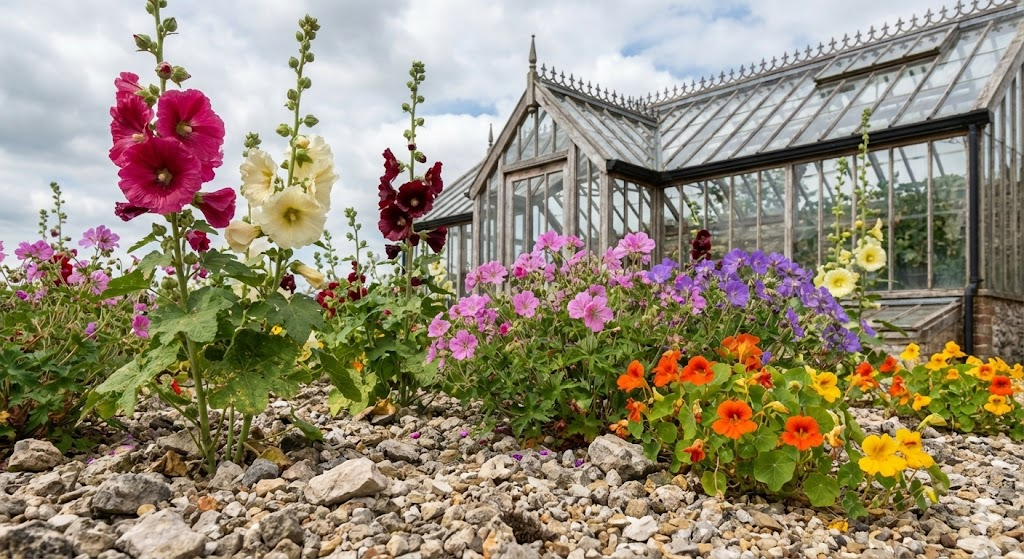
- Hollyhocks (𝘈𝘭𝘤𝘦𝘢 spp.)
- Cranesbills (𝘎𝘦𝘳𝘢𝘯𝘪𝘶𝘮 spp.)
- Evening primrose (𝘖𝘦𝘯𝘰𝘵𝘩𝘦𝘳𝘢 𝘣𝘪𝘦𝘯𝘯𝘪𝘴)
Thistles
- Milk thistle (𝘚𝘪𝘭𝘺𝘣𝘶𝘮 𝘮𝘢𝘳𝘪𝘢𝘯𝘶𝘮)
- Cotton thistle (𝘖𝘯𝘰𝘱𝘰𝘳𝘥𝘶𝘮 𝘢𝘤𝘢𝘯𝘵𝘩𝘪𝘶𝘮)
- Plume thistles (𝘊𝘪𝘳𝘴𝘪𝘶𝘮 spp.)
👉 Advantage
Natural winter stratification of cold germinators → very reliable germination in spring
❄️ December – February
During a longer cold spell, cold germinators can still be sown late. Sow directly into the soil in a greenhouse or cold frame, in a raised bed with a cold frame top, or in seed trays or mini greenhouses on the windowsill.
Useful measures
- Store seeds in a dark, dry place until use
- Prepare garden soil and potting compost by loosening, raking, sieving, and liming with dolomite lime
- If necessary, cold germinators can also be stratified slightly moistened in the refrigerator
🌸 March – April
👉 Main season for light germinators
Sow, for example:
- Dandelion (𝘛𝘢𝘳𝘢𝘹𝘢𝘤𝘶𝘮 spp.)
- Chicory (𝘊𝘪𝘤𝘩𝘰𝘳𝘪𝘶𝘮 𝘪𝘯𝘵𝘺𝘣𝘶𝘴)
- Yarrow (𝘈𝘤𝘩𝘪𝘭𝘭𝘦𝘢 𝘮𝘪𝘭𝘭𝘦𝘧𝘰𝘭𝘪𝘶𝘮)
- Cat’s-ear (𝘏𝘺𝘱𝘰𝘤𝘩𝘰𝘦𝘳𝘪𝘴 𝘳𝘢𝘥𝘪𝘤𝘢𝘵𝘢)
- Sow thistle (𝘚𝘰𝘯𝘤𝘩𝘶𝘴 spp.)
- Bellflowers (𝘊𝘢𝘮𝘱𝘢𝘯𝘶𝘭𝘢 spp.)
- Hawksbeards (𝘊𝘳𝘦𝘱𝘪𝘴 spp.)
- Hawkweeds (𝘏𝘪𝘦𝘳𝘢𝘤𝘪𝘶𝘮 spp.)
👉 Only press light germinators into the soil and keep them slightly moist – do not cover them with soil.
🌼 May – June
👉 Supplementary and structural plants
Sow
- Wild carrot (𝘋𝘢𝘶𝘤𝘶𝘴 𝘤𝘢𝘳𝘰𝘵𝘢)
- Stinging nettle (𝘜𝘳𝘵𝘪𝘤𝘢 𝘥𝘪𝘰𝘪𝘤𝘢)
Seasonal plants
- Nasturtium (𝘛𝘳𝘰𝘱𝘢𝘦𝘰𝘭𝘶𝘮 𝘮𝘢𝘫𝘶𝘴)
☀️ July – August
Possible
- Resowing bare patches of soil
- Lamb’s lettuce (𝘝𝘢𝘭𝘦𝘳𝘪𝘢𝘯𝘦𝘭𝘭𝘢 𝘭𝘰𝘤𝘶𝘴𝘵𝘢)
- Chickweed (𝘚𝘵𝘦𝘭𝘭𝘢𝘳𝘪𝘢 𝘮𝘦𝘥𝘪𝘢)
👉 Frequent watering needed
🌿 The ideal sowing strategy for stable self-sufficient enclosures
Autumn = the vegetation base
- long-lived plants
- structural species
- thistles
- mallows
Spring = food plant dynamics
- light germinators
- quick colonisers
- raising plants on the windowsill / in the cold frame
Summer = supplementing & resowing
- seasonal plants
- gap fillers
📊 A rule of thumb from practice
👉 60–70 % autumn sowing
👉 30–40 % spring sowing
This produces the most stable self-sufficient enclosures.
Further information on food plants
More about a natural diet for European tortoises is given in the article “Food and calcium” (English version below the German text) and in the Turtle Nutrition Overview.
The calcium-to-phosphorus ratio, which is particularly important for our tortoises, is covered in the article “Calcium-to-phosphorus ratio (in German)”.
How to grow food plants properly is explained in “Sowing food plants (in German)”.
Useful information on the different properties of seeds can be found in the articles
Light germinators (in German)
Cold germinators (in German)
Dark germinators (in German)
Dormancy (in German)
Stratification (in German)
Newly published: Taschendinos Poisonous Plants Handbook (English edition in preparation)