The start of the active season
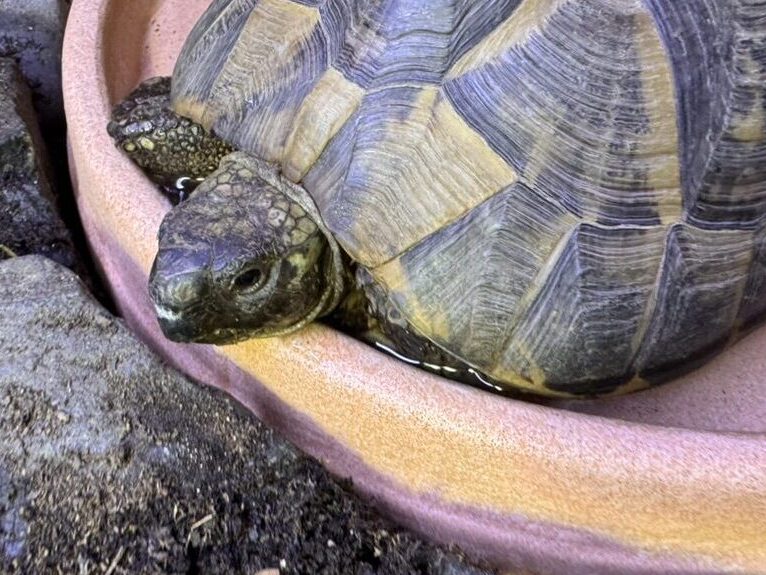
After brumation, European tortoises enter a physiologically sensitive phase. Their metabolism is reactivated, they start drinking and eating again, and at the same time they react sensitively to environmental factors such as unsuitable temperatures, too little space, and poor food quality.
Mistakes made in this phase often affect the rest of the year. The aim is therefore to prepare everything well and to keep conditions as stable and natural as possible. Raising temperatures and basking hours quickly is also important, so that the tortoises become active quickly.
Diet and calcium in spring
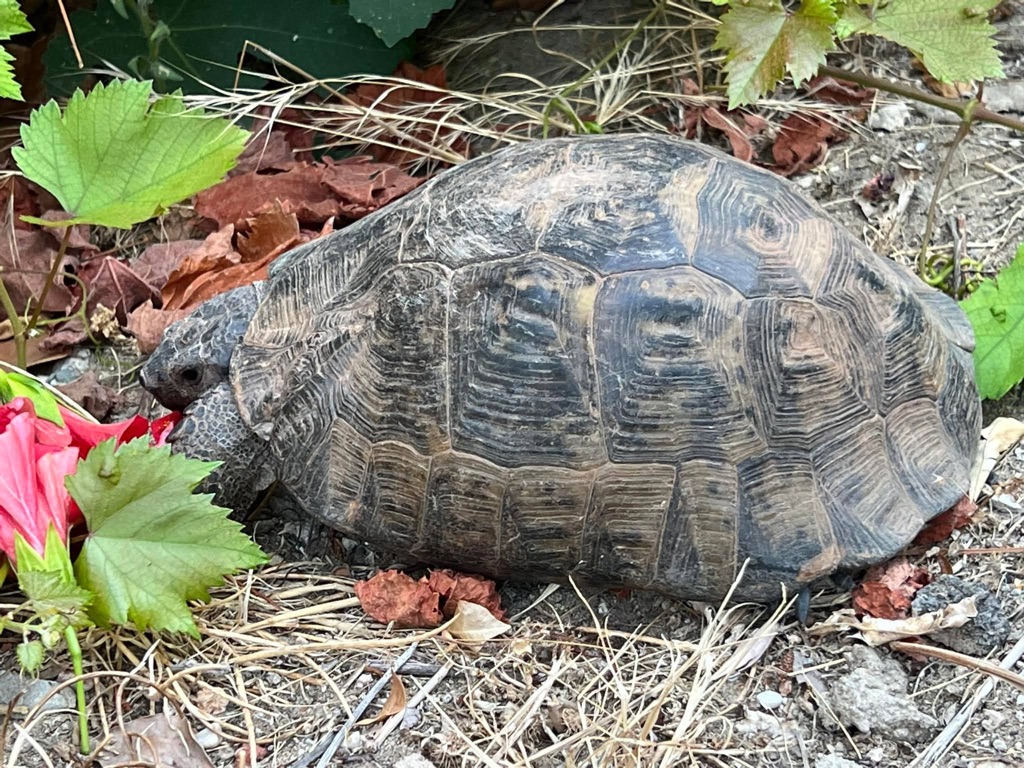
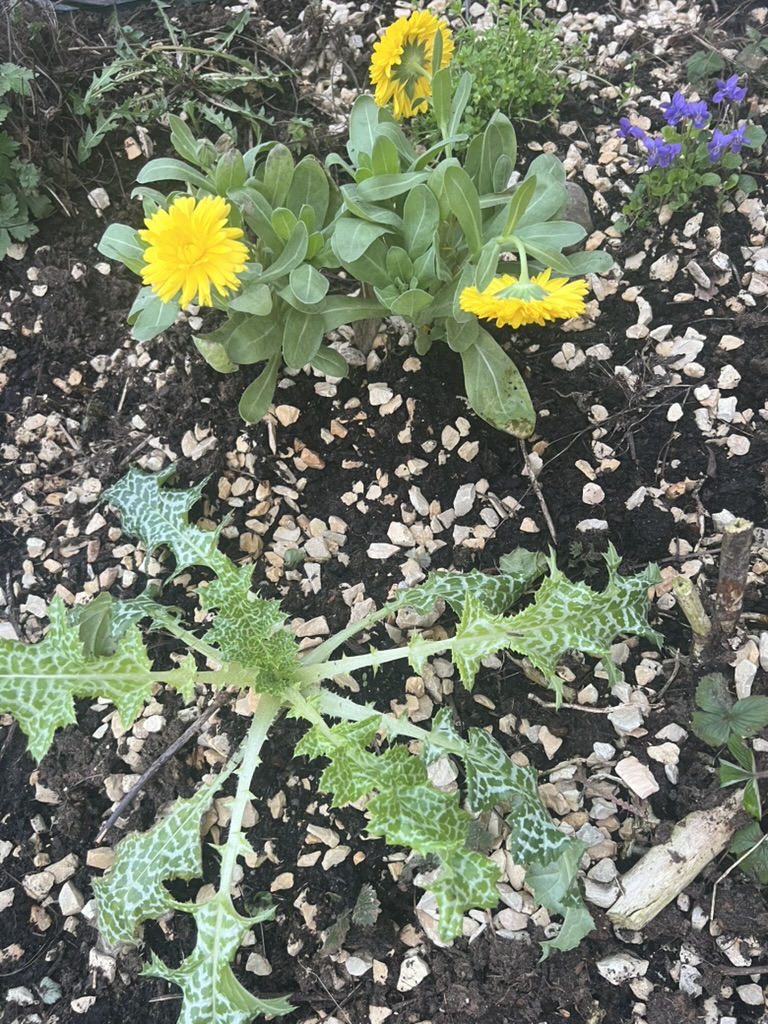
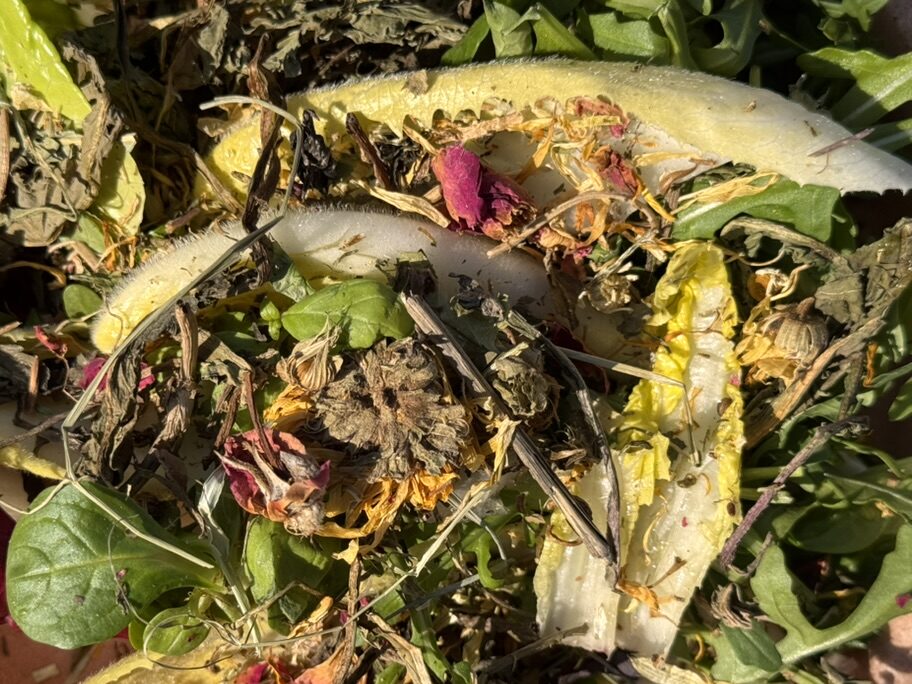
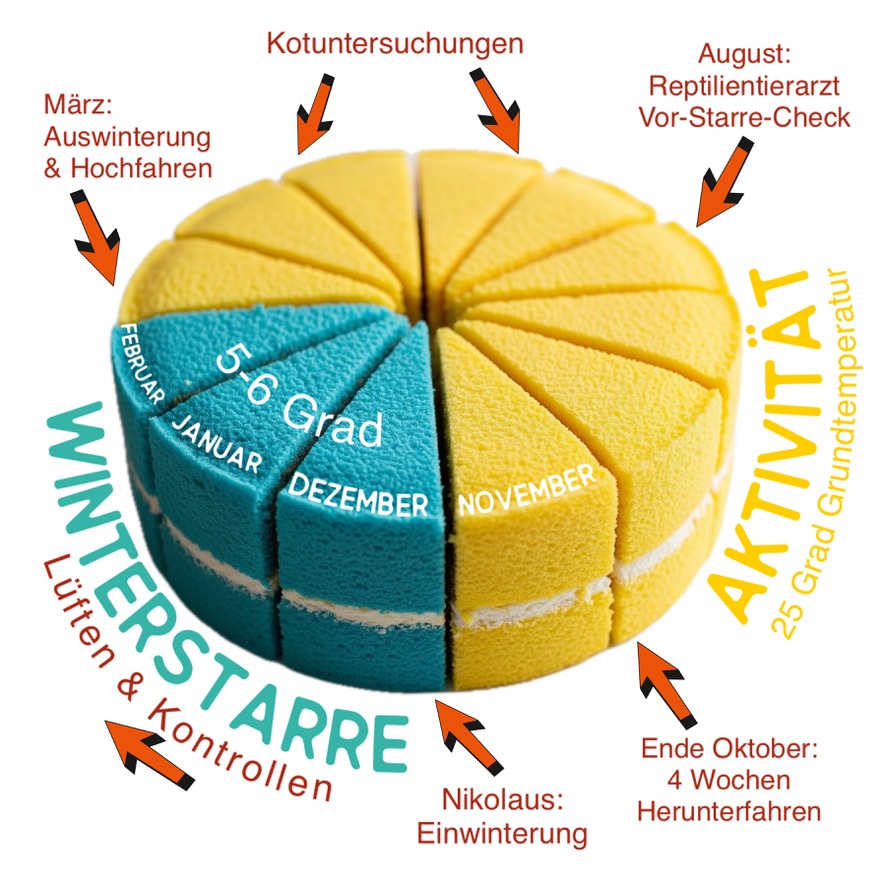
From emergence onwards, suitable food in the form of fresh wild plants should be available. Growing food plants early is therefore recommended (sowing food plants (in German)). Food plants such as chicory and plantain are naturally high in fibre and therefore need no topping of dried wild plants. After brumation, tortoises need fresh food to kick-start their metabolism and prevent dehydration.
Key principles:
- After emergence, the diet consists of fresh wild plants
- If few wild plants are available – under thick snow, for example – bitter salad leaves can be fed temporarily as a supplement; as they are low in fibre, they should be enriched with high-fibre dried wild plants and flowers (e.g. a dried herb topping such as Agrobs)
- No unsuitable commercial tortoise foods
- No artificial vitamin supplements unless prescribed by a reptile vet
A natural diet is crucial for getting the metabolism – and with it detoxification – going quickly.
Further information: Food and calcium (English version below the German text) and the Turtle Nutrition Overview.
Calcium plays a central role throughout the tortoise season:
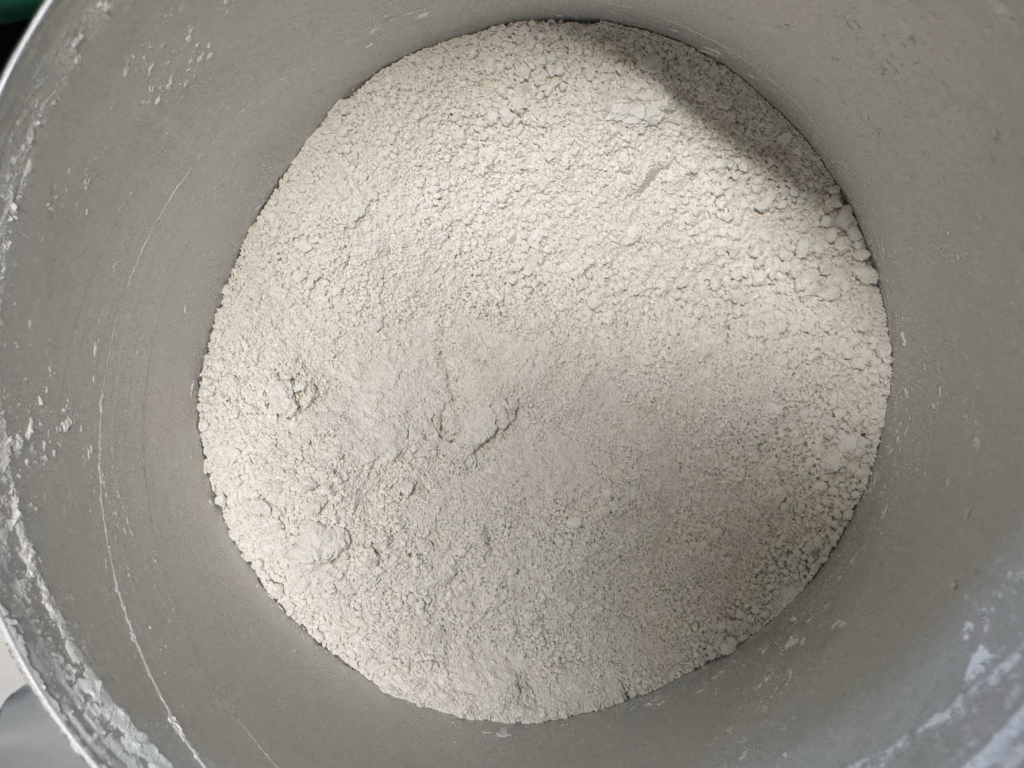
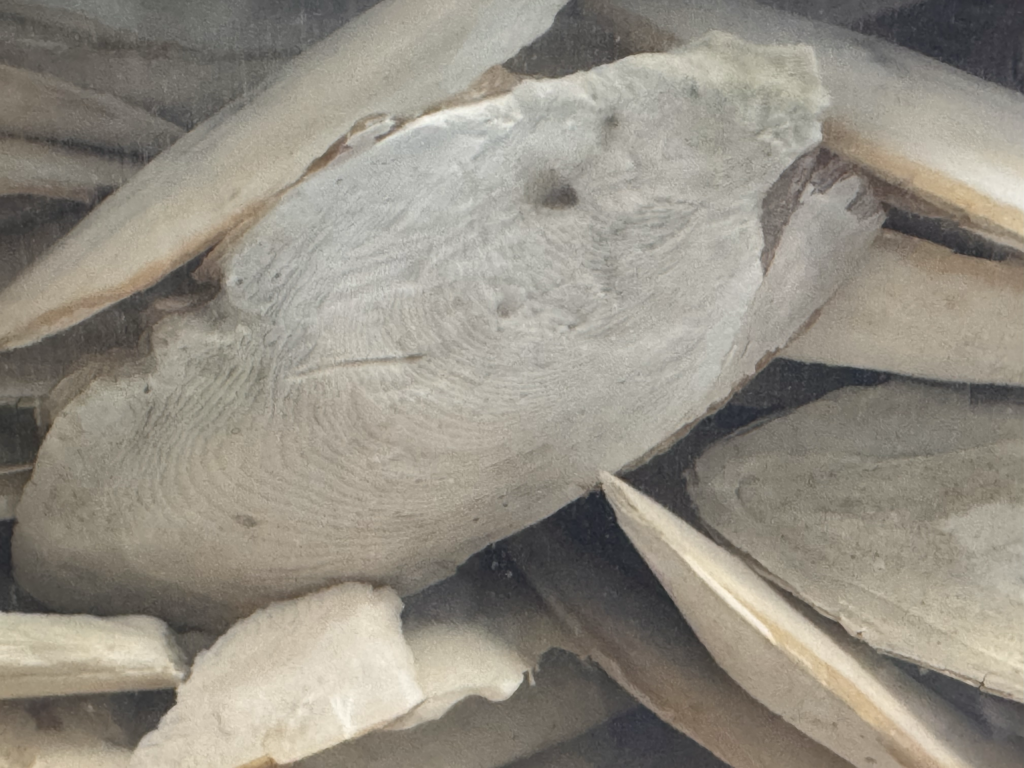
- Calcium should be freely available at all times (e.g. cuttlefish bone, calcified seaweed)
- It supports bone metabolism and shell stability
- Requirements are particularly high in young tortoises and egg-laying females
- Only sprinkle calcium supplements over food on a reptile vet’s advice; otherwise always offer them freely
Temperature management and equipment in spring
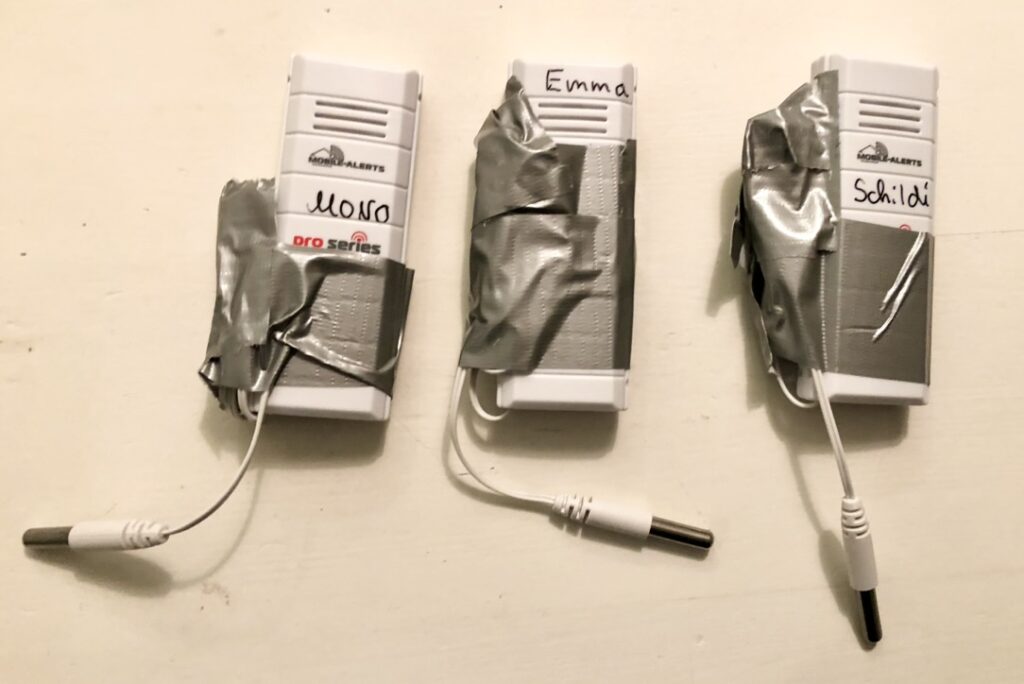
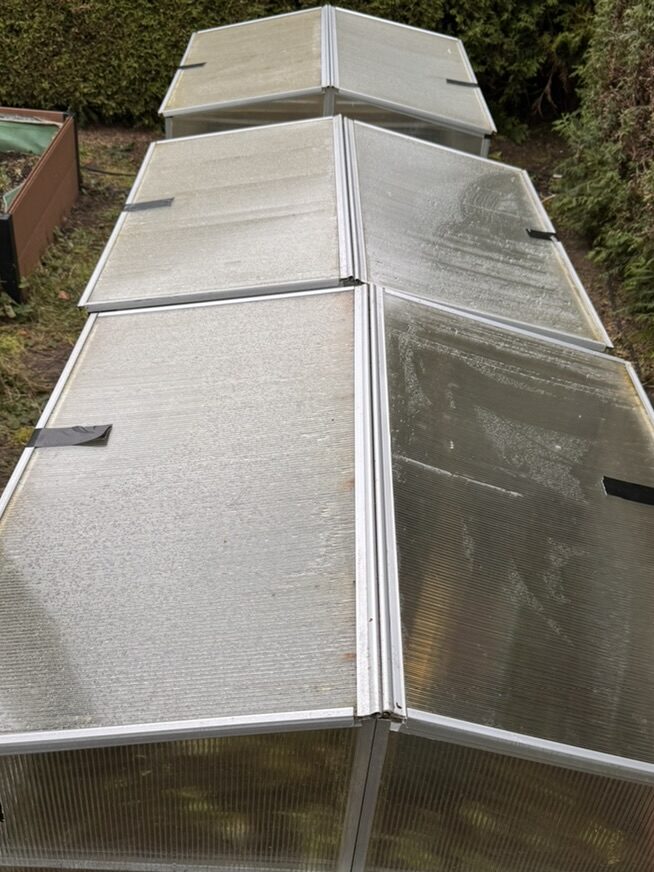
In spring, conditions are marked by strong temperature swings: on the one hand, the strengthening sun can heat cold frames up considerably; on the other, outdoor temperatures can still occasionally drop below freezing. This calls for targeted temperature management with thermometers, thermostats, a strip curtain, and automatic vent openers (technology).
Key aspects:
- Use a cold frame or greenhouse with equipment to provide temperatures like those in the natural habitat
- Use thermostat-controlled heating for the background temperature and a UV basking spot for the preferred body temperature
- Control and monitor temperature curves (temperature management)
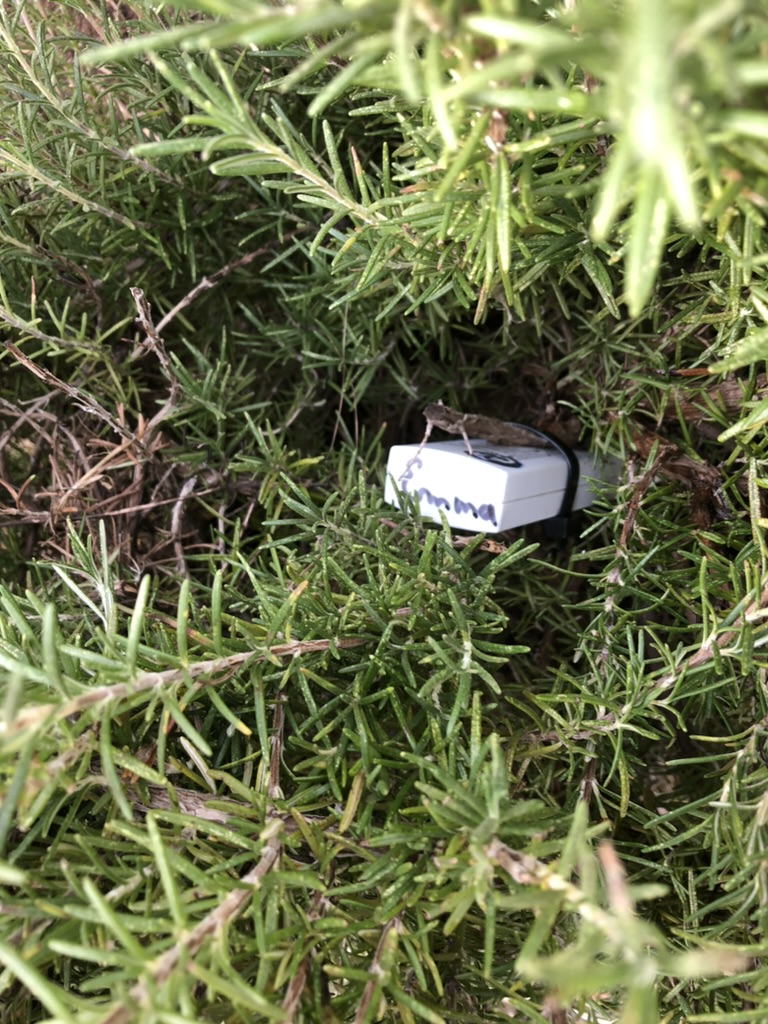
Temperatures that are too low delay the reactivation of the metabolism and can lead to inactivity, so back-up equipment (in German) should always be kept to hand.
Reliable equipment is essential in spring for emergence and for raising temperatures afterwards.

Faecal examination for intestinal parasites
Once the tortoises start passing faeces, a faecal examination should be carried out promptly.
Recommended procedure:
- Take a faecal sample from each tortoise if possible
- Have it examined for endoparasites
- If an infestation is found, treat all tortoises kept together
After a worming treatment:
- Strict hygiene in the enclosure
- Scrub water dishes with hot water and washing-up liquid
- A follow-up examination about two weeks after the end of the worming treatment
- Another faecal examination in summer
An undetected parasite infestation can lead to serious health problems and make safe brumation impossible.
Further information: Health and worming (in German).
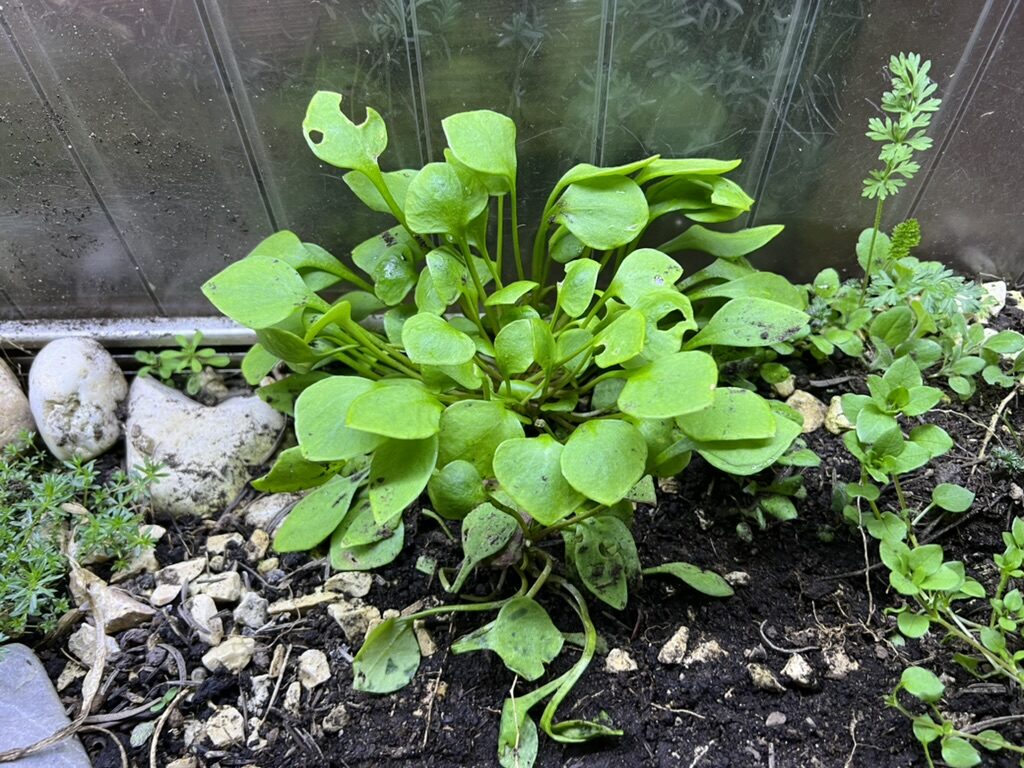
Warning signs after brumation
Not every tortoise starts the active phase without problems. Careful observation is therefore needed in the weeks after emergence – especially in tortoises with underlying disease or in need of improved husbandry beforehand.
The most important warning signs include:
- No or greatly reduced activity
- No drinking or bathing
- No eating (possibly post-brumation anorexia)
- No urates or faeces passed
- Apathetic behaviour
- Weight loss
The first urates and faeces are an important indicator that digestion has resumed.
If anything seems wrong, react early and seek help from a reptile vet.
Further information: Warning Signs After Brumation.
Aggression after emergence
In spring, aggressive interactions between tortoises often increase, which can lead to problems in cramped conditions.
Causes:
- Limited space in the cold frame
- Too few hides – the tortoises cannot get out of each other’s sight
- Increasing activity while space to move is still limited
- Social structures being reorganised through dominance
- Mating behaviour
Typical behaviour:
- Mounting
- Chasing and biting other tortoises
- Driving others away from warm spots or the basking spot
Compared with a spacious outdoor enclosure, such behaviour can be much more pronounced in spring.
A well-structured, enlarged cold frame with retreats for every tortoise reduces stress and conflict. If fights break out, the opponents should be separated as soon as possible. Any later reintroduction should be supervised.
Further information: Aggression in European Tortoises.
Why the first weeks matter for the whole year
The early phase after brumation influences several key factors:
- Reactivation and stabilisation of the metabolism
- Re-establishing working digestion
- Development of the immune defences
- Establishing the social structure
Mistakes made in this phase often have a delayed effect and only become visible later in the year.
It is always worth remembering that tortoises, as wild animals, often hide health problems until it is almost too late, so close observation of their behaviour by the keeper is always part of good care.
Conclusion
Spring is the most sensitive phase in the annual cycle of European tortoises. An adapted diet, suitable temperatures, early checks on parasite status, and close observation of behaviour are crucial for a successful start to the active season.
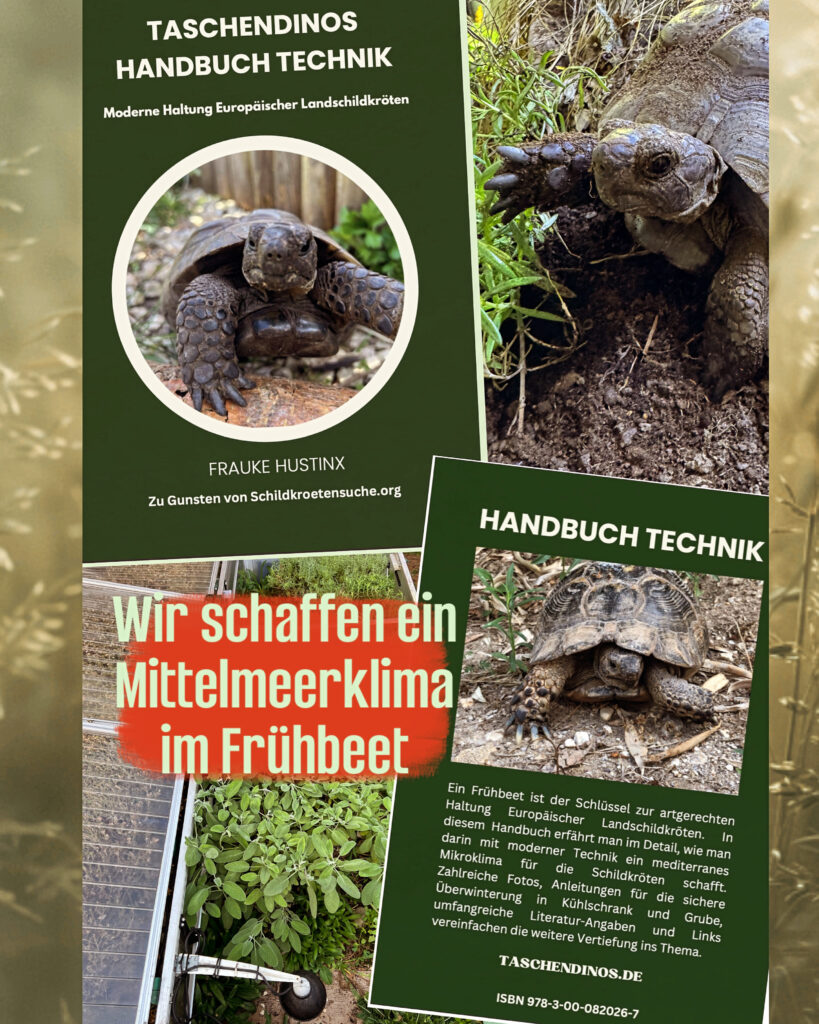
Further information on natural husbandry with technology
The TASCHENDINOS Technology Handbook (English edition in preparation, see International Editions) covers, among other things:
- The basics of temperature control throughout the year
- Choosing and using suitable heat and UV sources
- Temperature management
- Proven components, with a focus on maximum safety
- Extensive sources for further reading
Especially in spring, when conditions are still unstable, well-thought-out equipment provides the basis for a safe and controlled start to the season.