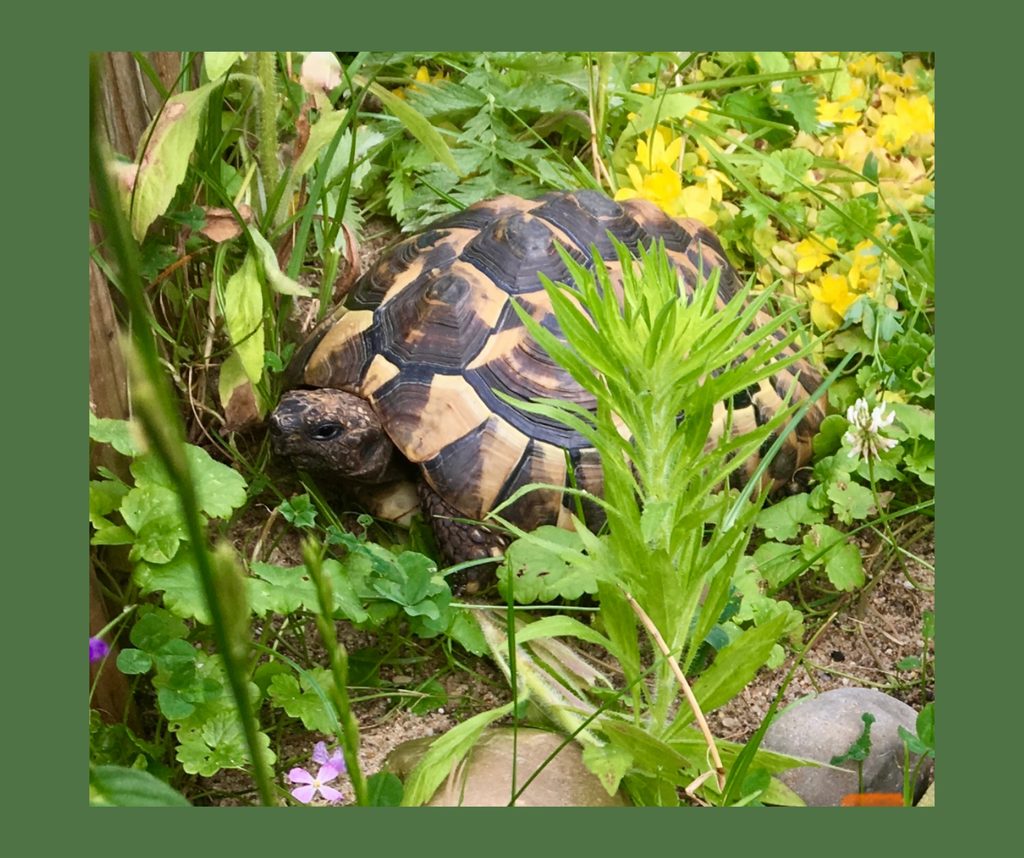
Welcome to the English-language section of TASCHENDINOS.
Here you will find articles and practical information on the modern, species-appropriate keeping of European tortoises, including housing, technology, brumation, nutrition, health and behaviour. There are also articles on turtle biology, evolution and conservation.
Some articles are available as dedicated English pages, while others include an English version below the original German text.
Here you can find upcoming English editions of the Taschendinos books:
What does TASCHENDINOS mean?
TASCHENDINOS is a playful German name that roughly translates as “pocket dinosaurs”.
It is an affectionate reference to tortoises: ancient reptiles with a remarkable evolutionary history, whose appearance still seems to carry a little piece of the prehistoric world into the present day.
The name reflects the idea behind TASCHENDINOS – combining fascination for these extraordinary animals with practical, modern and species-appropriate tortoise husbandry.
European Tortoise Husbandry – Practical Experience and Scientific Knowledge
My work focuses on modern, species-appropriate husbandry of European tortoises, with particular emphasis on recreating Mediterranean environmental conditions, safe brumation, and the responsible use of heating, lighting and monitoring technology.
Drawing on more than 20 years of keeping European tortoises, regular field observations in their natural habitats, scientific literature and many years of voluntary husbandry advice, I aim to make reliable information accessible and applicable in everyday tortoise keeping.
This English-language section brings together practical guidance, background information and articles exploring different aspects of European tortoise husbandry.
Selected Articles
- Technology for the Species-Appropriate Keeping of European Tortoises
- Let’s Talk About UV
- Controlled Refrigerator Brumation
- Temperature Reduction Weeks 1–6: A Step-by-Step Guide to Brumation Preparation
- Refrigerator Brumation Checklist
- What Is a Thermostat?
- What Is Hysteresis in a Thermostat?
- The Emergency Cut-Off Thermostat (UT300 Equiva)
- Sensor Placement in the Cold Frame
- Thermometers for Tortoise Keeping
- Reserve Equipment to Keep on Hand
Further Reading – TASCHENDINOS Handbooks
For readers interested in exploring refrigerator brumation in greater detail, the Refrigerator Brumation Handbook provides a structured guide to preparation, equipment, temperature monitoring, safety measures and emergence from brumation.
Read more about the Refrigerator Brumation Handbook.
Further English-language handbooks are currently in preparation.
Frauke Hustinx – European tortoise keeper, author and board member responsible for public relations and social media at the German Chelonia Group (DGHT).

Husbandry & Technology
Technology for the Species-Appropriate Keeping of European Tortoises
Modern tortoise keeping benefits from carefully chosen technology. This article covers heating, lighting, UV provision, cold frames and greenhouses, temperature control and other equipment that can help create suitable conditions throughout the year.
Outdoor Enclosure, Cold Frame and Hibernation Pit
An introduction to the design of a naturalistic outdoor enclosure, the use of cold frames and greenhouses, and the construction of a protected brumation pit for European tortoises.
Let’s Talk About UV
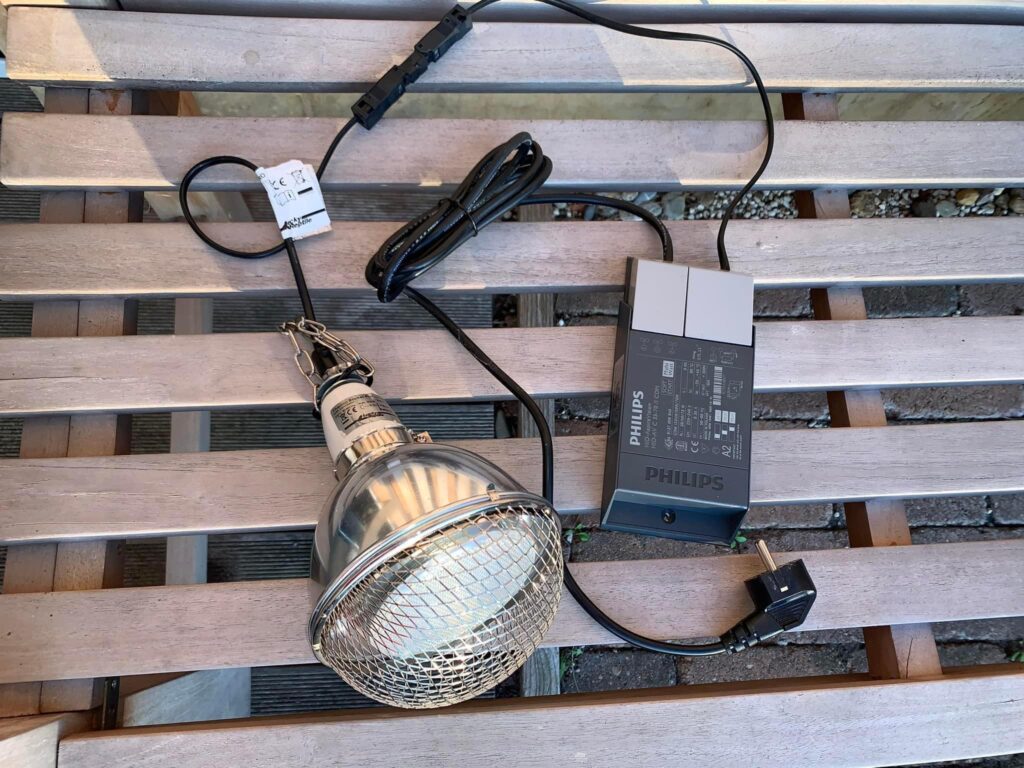
Why is ultraviolet radiation so important for tortoises? This article looks at UVA and UVB, vitamin D₃ synthesis, calcium metabolism and the UV conditions European tortoises experience in their natural habitats.
Further English guides to husbandry
- Technology Handbook – Modern European Tortoise Husbandry
- Frequently Asked Questions on Keeping European Tortoises
- Holiday Care for European Tortoises
- Why Not a Vivarium?
Brumation
Controlled Hibernation of European Tortoises in a Refrigerator
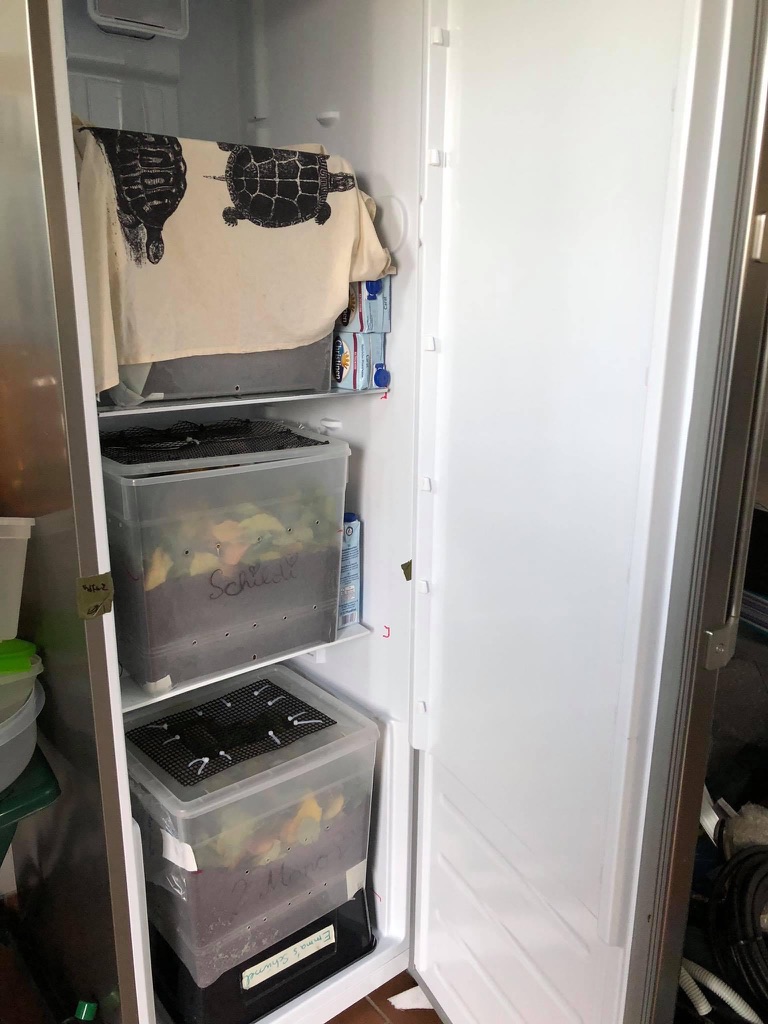
A detailed guide to controlled refrigerator brumation, covering preparation, suitable refrigerators and brumation boxes, temperature monitoring, safety measures, regular checks and the end of brumation.
Temperature Reduction Weeks 1–6: A Step-by-Step Guide to Brumation Preparation
A six-part, week-by-week guide to the usual four weeks of gradual temperature reduction, followed by the resting and established-brumation period in the cold frame, before any transfer to a prepared brumation refrigerator.
Forced Bathing – A Former Husbandry Practice
Routine forced bathing before brumation is still recommended in some older husbandry advice. This article explains why a gradual and natural preparation for brumation is preferable.
Warning Signs After Hibernation in European Tortoises
Key warning signs to watch for during the first days after brumation, and when veterinary advice may be needed.
What Is Brumation?
Brumation, hibernation, or winter rest? Why European tortoises brumate rather than hibernate, and why brumation matters from the very first year of life.
Deciding on Brumation
When can a tortoise safely brumate? Why body condition in late summer and a veterinary check-up decide – with a summary of veterinary guidance.
Pre-Brumation Check-Up with a Reptile Vet
What a pre-brumation health check should include – from clinical and faecal examination to X-ray and blood tests.
From Vivarium to Brumation?
Can tortoises kept in a vivarium or on a tortoise table brumate? Veterinary checks, essential improvements, and how to reach safe brumation temperatures.
Moving Tortoises into the Refrigerator
How tortoises in deep brumation are moved into the refrigerator: checking, weighing, preparing the box, and positioning the sensors.
Refrigerator Brumation Checklist
Every step of refrigerator brumation at a glance – from the health check in late summer to emergence in spring.
Power Cuts in Winter
An emergency plan for power cuts: how tortoise and reptile keepers can prepare, with a first-hand account from a rescue centre.
Preparing for Emergence from Brumation
A to-do list for mid-February: preparing the cold frame, enclosure, and equipment, and the last check of the tortoises before emergence.
Emergence from the Refrigerator
How tortoises are brought out of refrigerator brumation step by step, with the temperature schedule and basking times for the first days.
Post-Brumation Anorexia
When a tortoise will not eat after brumation: symptoms, causes, diagnosis, treatment, and prevention of post-hibernation anorexia (PHA).
Spring Guide for European Tortoises
The start of the active season: diet and calcium, temperature management, faecal checks, warning signs, and aggression in spring.
Further reading on brumation
Health & Behaviour
Health
An overview of important health issues affecting European tortoises, including preventative care, parasites, nutritional deficiencies and other common health problems.
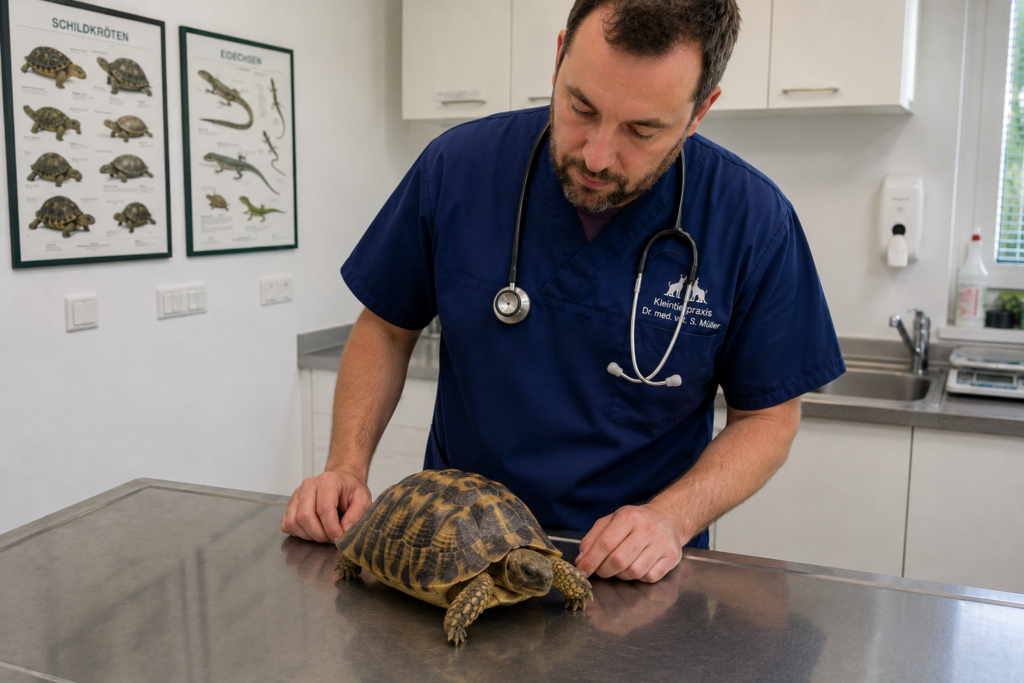
Aggression in European Tortoises
Aggression, territorial behaviour and chronic stress can become serious problems in group housing. This article looks at possible causes, enclosure design, sex ratios, separating animals and options for particularly aggressive males.
Minimally Invasive Castration in Male Tortoises
An overview of endoscopic castration in male tortoises, including possible indications, available research, conservative alternatives, risks, timing and the procedure itself.
The English version can be found below the German article.
Nutrition & Natural Feeding
Food and Calcium
A comprehensive introduction to natural feeding for European tortoises. Topics include digestion, wild plants, growing your own food plants, seasonal feeding, dietary fibre and calcium provision.
The English version can be found below the German article.
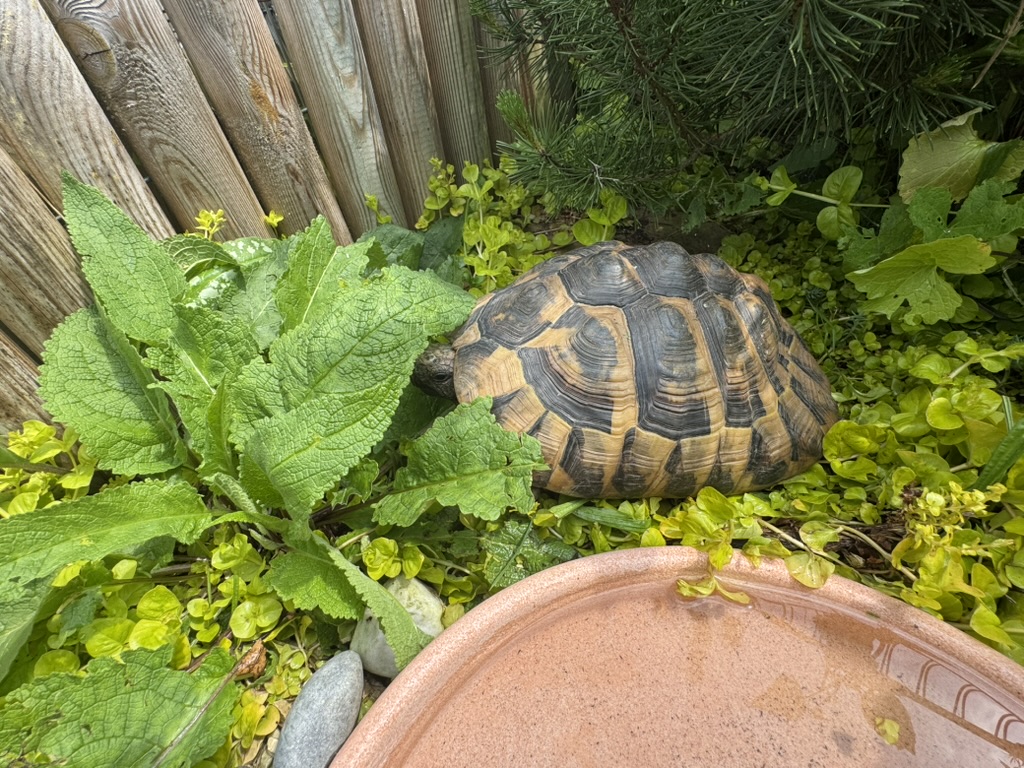
Turtle Nutrition Overview
A shorter introduction to natural tortoise nutrition, including suitable food plants, seed collection, self-sufficient enclosures and the role of calcium-rich substrates.
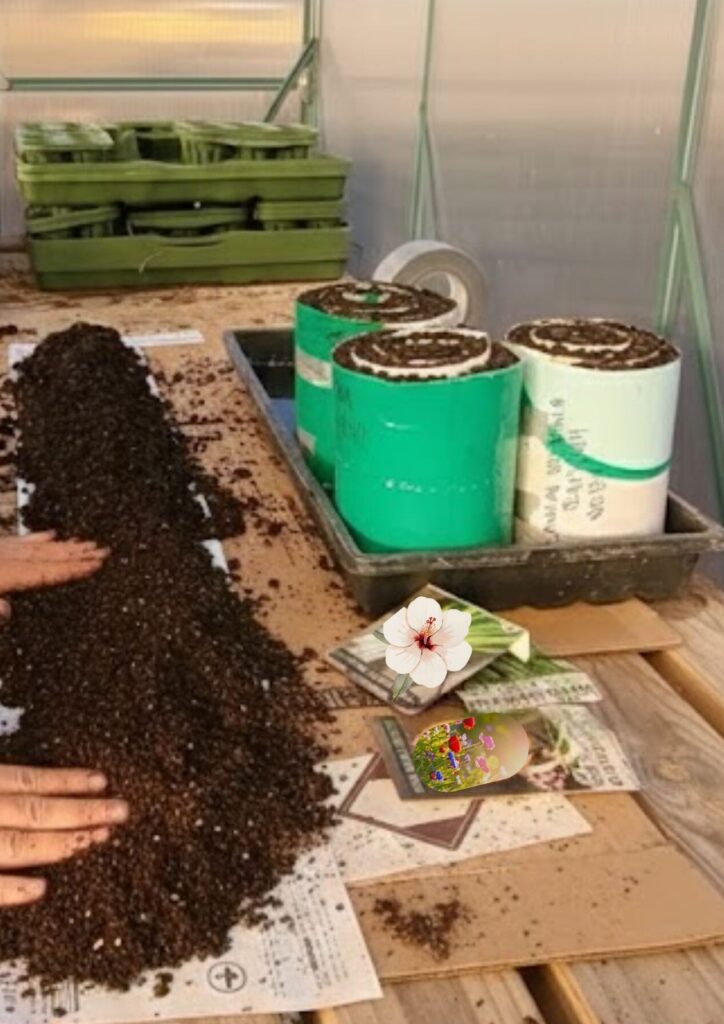
Further reading on food plants
- Food Plants for Tortoises
- Dandelion
- Plantain
- Sow Thistle
- Chicory
- Evening Primrose
- Mallow
- Harvesting Forage Plant Seeds in Late Summer
Turtle Biology, Evolution & Conservation
Turtles – Evolution and Diversity
Turtles have existed for more than 220 million years. This article explores their evolutionary history, early fossil forms, the development of the shell and the remarkable diversity of turtles and tortoises living today.
The English version can be found below the German article.
The Anatomy of Turtles and Tortoises – Shell and Senses
An introduction to the unique anatomy of turtles and tortoises, including the shell and skeleton, breathing and movement, as well as sight, smell, hearing, orientation, communication and learning.
The English version can be found below the German article.
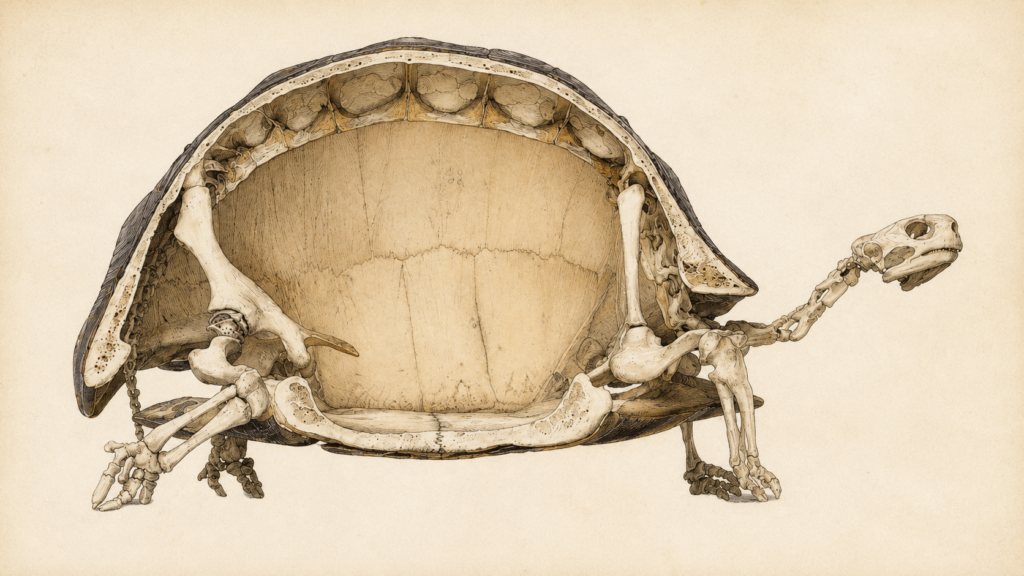
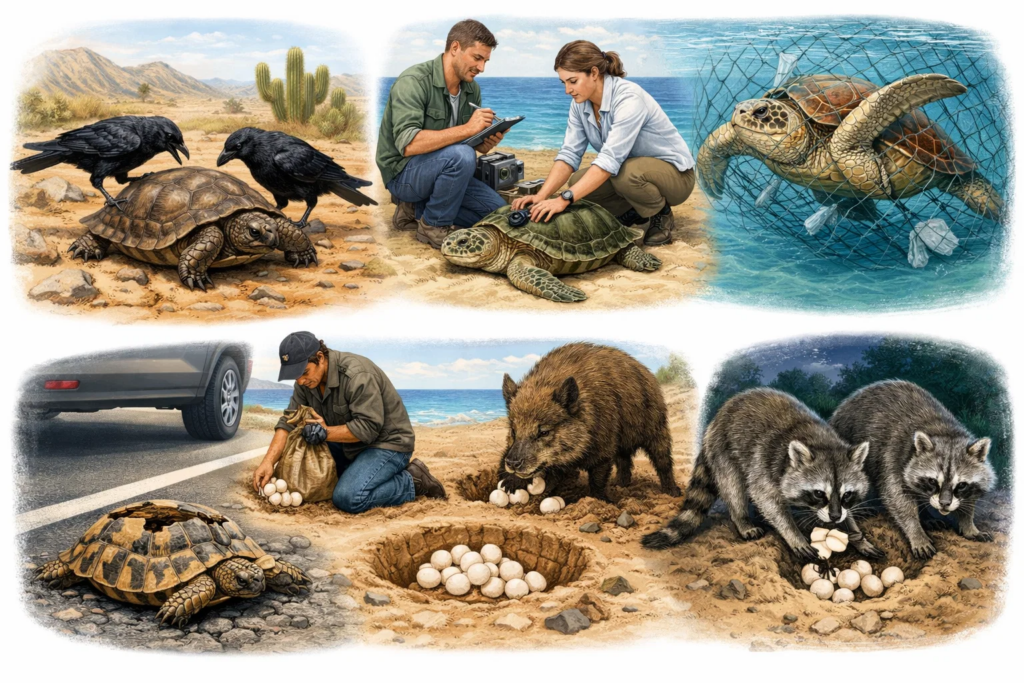
Turtle Taxonomy and Conservation Threats
An overview of turtle taxonomy and global species diversity, together with the major threats facing turtles and tortoises around the world.
The English version can be found below the German article.
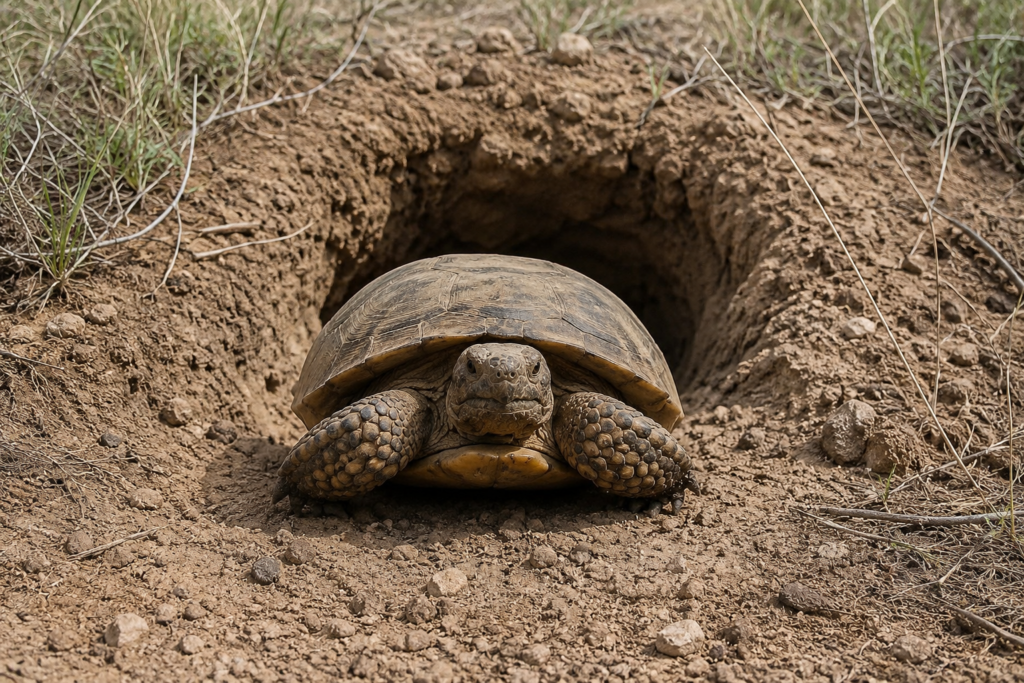
Turtles as Keystone Species
Turtles are much more than fascinating survivors of an ancient lineage. In many ecosystems they act as keystone species and ecosystem engineers, influencing vegetation, dispersing seeds and creating habitats used by other species.
The English version can be found below the German article.
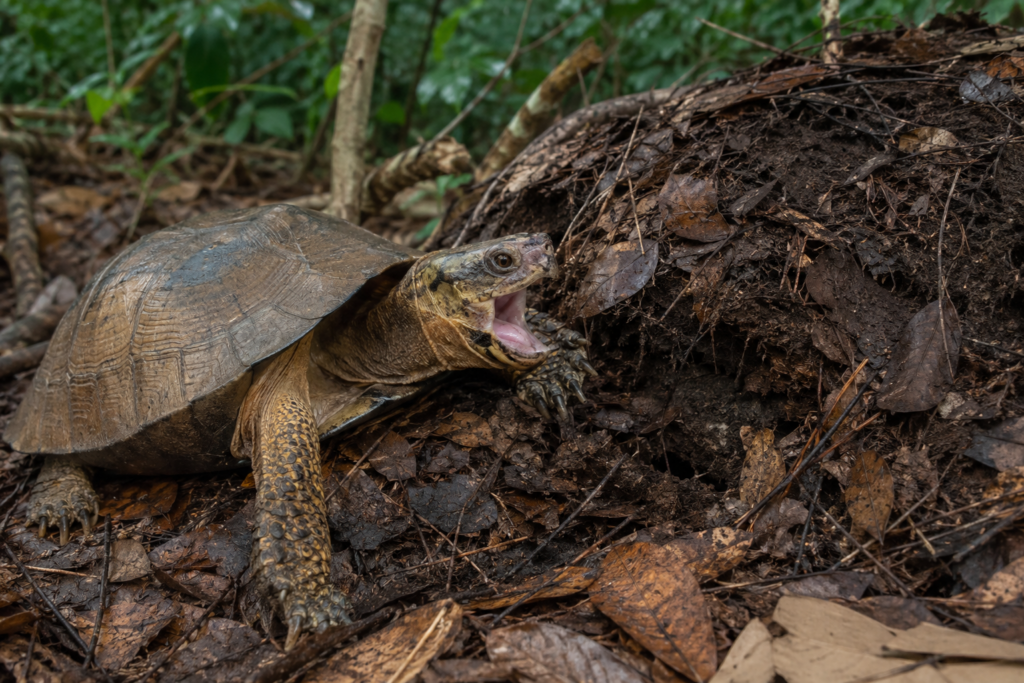
Turtle Facts
A collection of remarkable facts about turtles and tortoises, from exceptional longevity and navigation skills to diving abilities and unusual physiological adaptations.
The English version can be found below the German article.
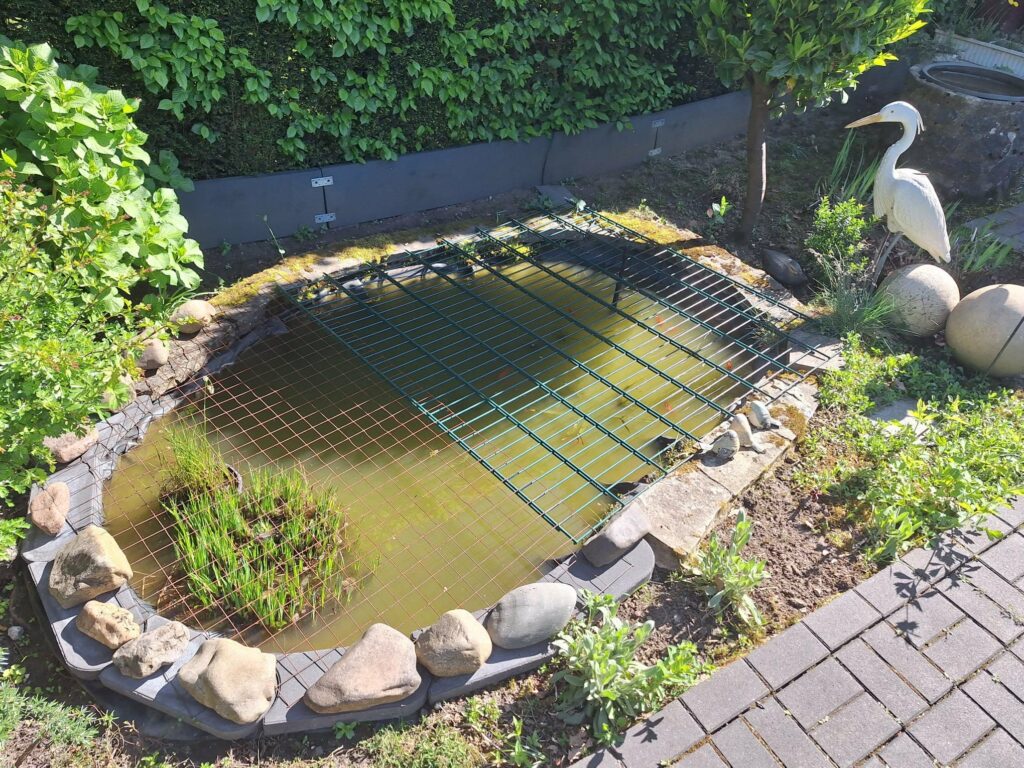
Garden Ponds – An Underestimated Danger for Tortoises
Garden ponds can pose a serious risk to terrestrial tortoises. This article describes a near-drowning incident and explains how ponds and other bodies of water around tortoise enclosures can be made safer.
The English version can be found below the German article.
Further reading on turtle biology
Rescue, Advice & TASCHENDINOS
Tortoise Rescue Centres
Information about tortoise rescue centres, surrendered and rescued animals, rehoming and the important work carried out by specialist organisations.

Husbandry Advice for European Tortoises
Information about TASCHENDINOS husbandry advice, the background behind the project and its commitment to responsible tortoise keeping, education and tortoise welfare.
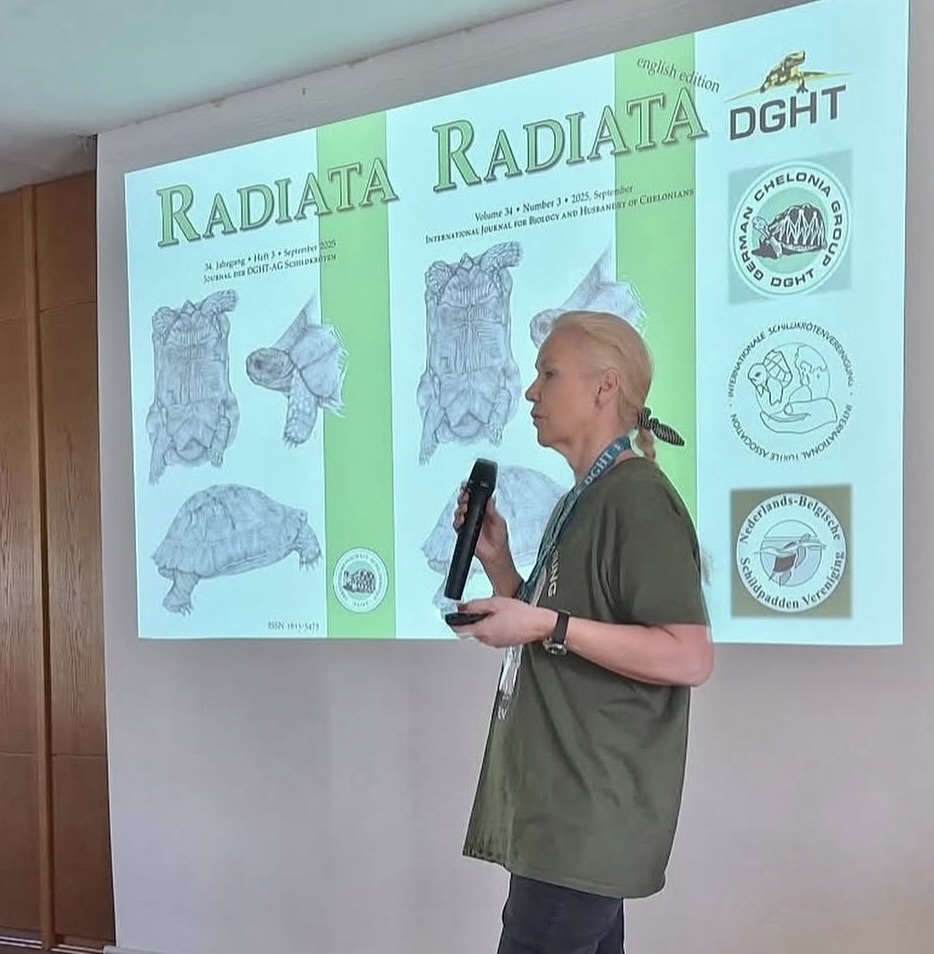
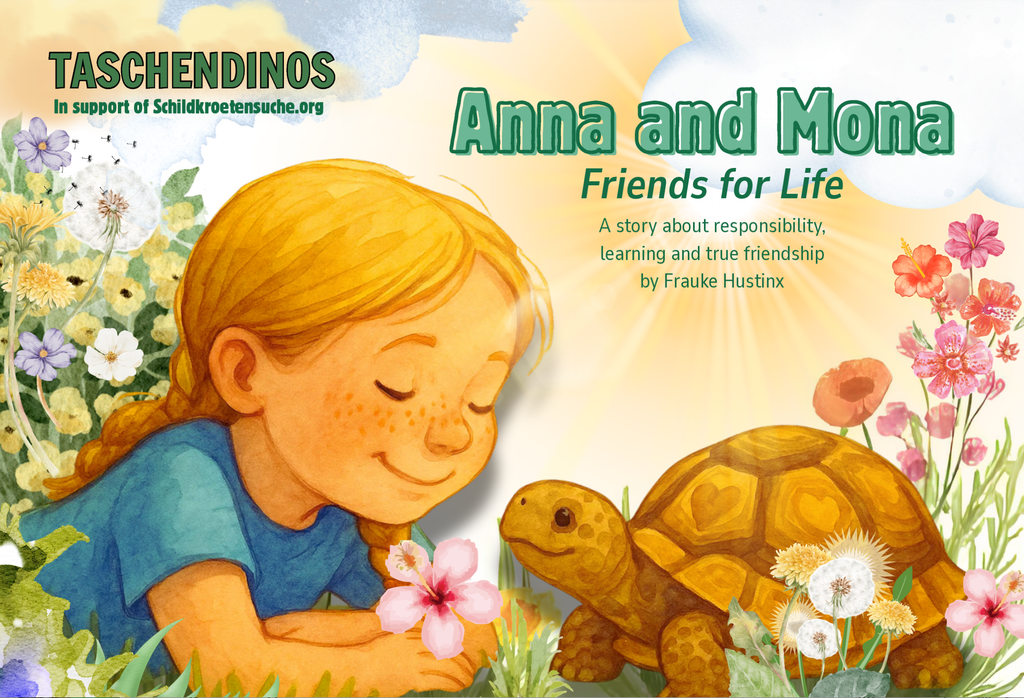
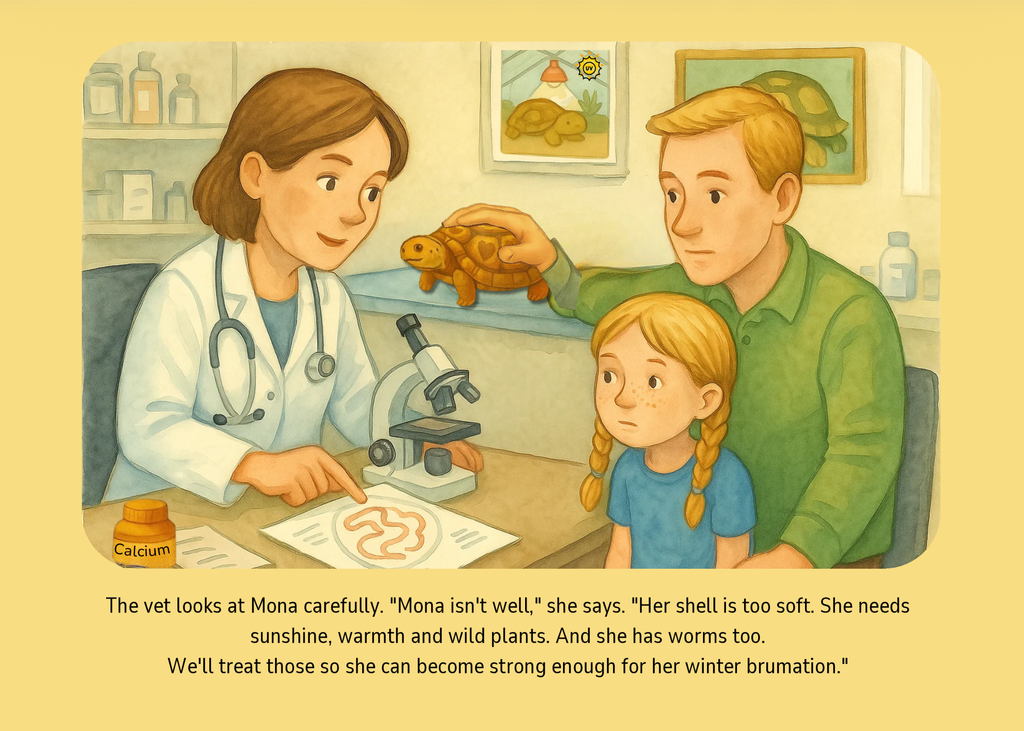
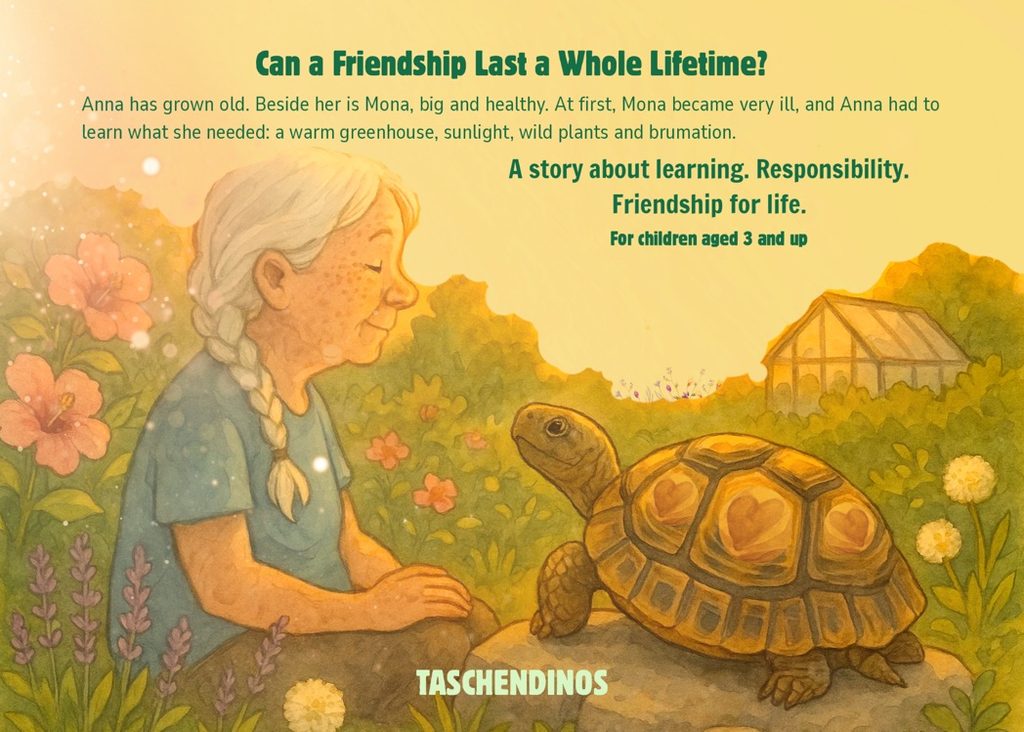
Anna and Mona – Friends for Life
Meet Anna and her tortoise Mona in the English-language children’s book Anna and Mona – Friends for Life.
Their story introduces children to responsible tortoise keeping, learning from mistakes and the lifelong commitment involved in caring for an animal.
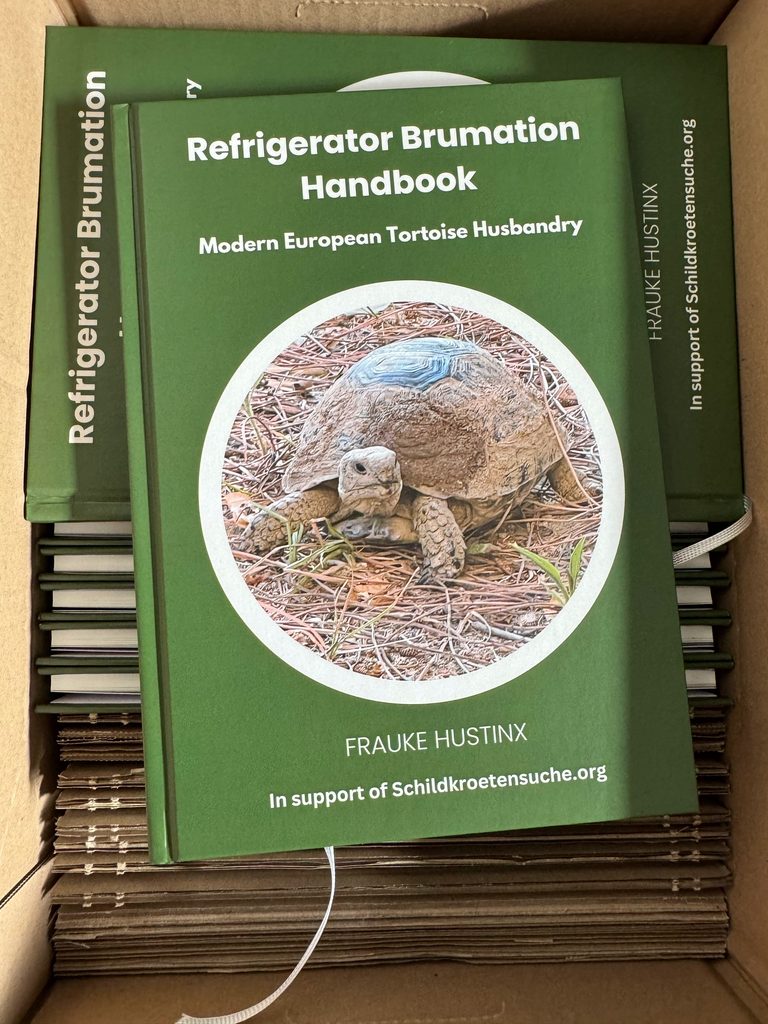
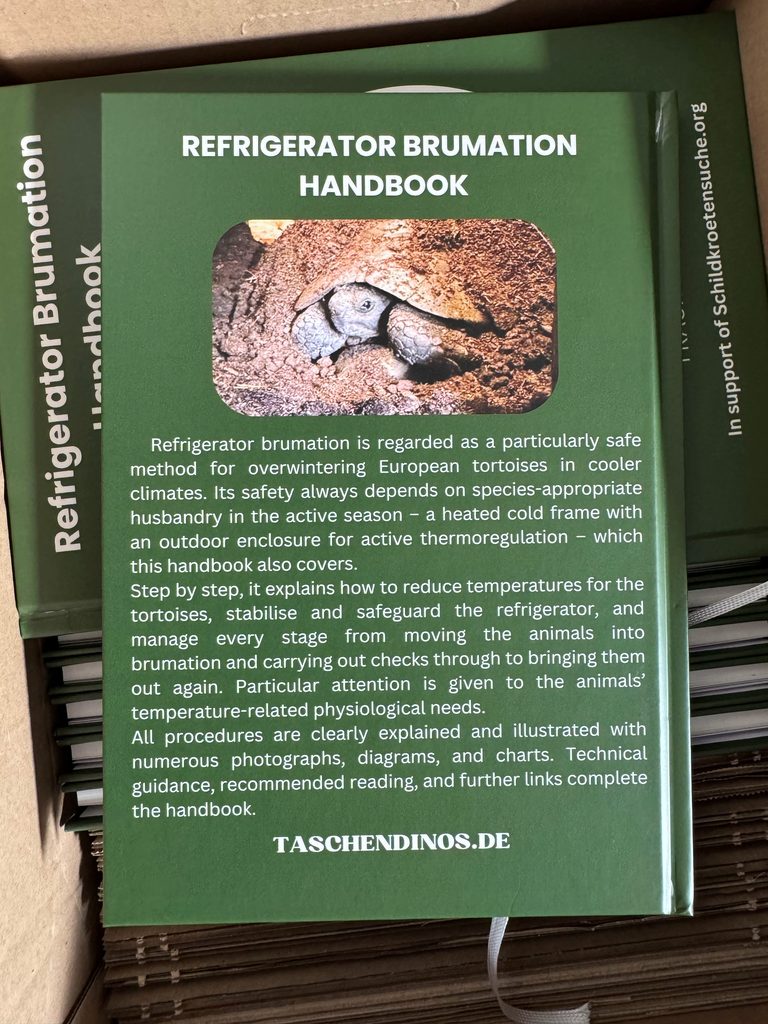
Now Available: Refrigerator Brumation Handbook
By Frauke Hustinx
A Practical Guide to Safe Winter Brumation for European Tortoises
The TASCHENDINOS Refrigerator Brumation Handbook is now available in British English!
This practical guide takes tortoise keepers step by step through the entire process of refrigerator brumation, from autumn preparation and choosing suitable equipment to temperature monitoring, essential safety measures and bringing tortoises out of brumation in spring.
Based on decades of hands-on experience, observations of tortoises in their natural Mediterranean habitats and scientific literature, the handbook provides clear, practical guidance for safe and responsible husbandry.
Available Formats and Ordering
Within the European Economic Area (EEA):
Available directly from TASCHENDINOS as a paperback or hardcover.
Internationally:
Available through Amazon as a Kindle eBook, paperback or hardcover.
All proceeds from TASCHENDINOS book sales go to Schildkroetensuche.org.
Discover the Refrigerator Brumation Handbook
Discover more English Books & Upcoming Releases
Looking for practical guides to European tortoise husbandry?
Explore the handbooks available in British English, including the new Refrigerator Brumation Handbook, and discover which titles are coming next.
All proceeds from TASCHENDINOS book sales go to Schildkroetensuche.org.
Explore English Editions & Upcoming Releases →
More English Content Is Coming
The English section of TASCHENDINOS is continuing to grow.
Further articles on European tortoise husbandry, nutrition, seasonal rhythms, natural habitats and practical care will gradually be made available in English.
TASCHENDINOS – Modern Husbandry of European Tortoises