As a rule, the enclosure of European tortoises should be given a moderate cut-back in late summer to create natural basking spots. A great deal will have dried out over the summer months. While you are at it, you can, for example, add some fresh calcareous grit as well, and this is also a good opportunity to harvest some forage plant seeds. When cutting back, bear in mind that this should only be done after the plants have finished flowering, and that you should cut back only some of the perennials to create basking spots, so that insects, birds and small animals can continue to find food and places of refuge.
You should not cut the perennials back too hard, in order to protect them from frost. Faded seed heads, for instance, provide many insects with a safe place to retreat to and overwinter. For this reason, you should never resort to a “clear cut”. You should also harvest only a fraction of the seeds and leave the majority standing over the winter. Whatever is not eaten by birds will then re-seed itself naturally within the enclosure.
Harvesting and storing the seeds of native wild plants correctly
Many native wild plants provide valuable seeds that are easy to collect and store. With a little attention to the right time of harvest and to drying, they remain viable for a long time and can be sown again the following year. Here you will learn what to look out for with the various plant species.
Hibiscus
Hibiscus seeds are harvested from late summer into autumn. They are ripe when the seed capsules turn brown, appear dry and open easily. The capsules are carefully removed from the plant and broken open. You then extract the dark, firm seeds. Until sowing in spring, they should be stored in a cool, dry place.
Chicory (Wild Chicory)
Chicory seeds are harvested from late summer into autumn. They are ripe when the flower and seed heads have turned brown, are completely dry and crumble readily when touched. Ideally, harvesting should take place on a dry day.
To collect the seeds, the sprawling seed heads are cut off and left to dry further, hung upside down in an airy, sheltered place. Once they are completely dry, the seeds can easily be shaken out, for example over a container or into a fabric bag or pillowcase.
After harvesting, the seeds should be stored somewhere cool, dry and dark. Sowing is possible in both autumn and spring. Autumn sowing often produces particularly vigorous plants, while spring sowing takes place between March and May.
Chicory prefers sunny locations with rather poor, stony or compacted soil. As the plant is biennial, it forms a leaf rosette in the first year and does not flower until the second. By deliberately harvesting the seeds, self-seeding can be kept well under control, as chicory can otherwise spread strongly through the garden.
Evening Primrose
Evening primrose seeds are harvested from August to November. They are ripe when the elongated seed capsules turn brown, are dry and are already beginning to open slightly. At this stage the very small, black seeds are especially easy to collect.
To harvest, the dry stems are cut off on a rain-free day. The seed capsules can then be shaken out over a bowl or a shallow container. Alternatively, the cut stems can be hung upside down in a paper bag or in an airy place, so that further seeds gradually fall out.
After harvesting, the seeds are separated from plant debris by sieving and then dried thoroughly. For long shelf life, evening primrose seeds should be stored somewhere cool, dry and protected from light. Tightly sealable, dark containers are well suited.
The protein- and oil-rich seeds have a mild, nutty flavour and can be used, for example, as a topping for muesli, soups or baked goods. As evening primroses are biennial and often self-seed, some seed heads can be left on the plant for natural propagation.
Wild Rocket (Rucola)
The seeds of wild rocket are harvested in late summer. To do this, leave a few plants standing after flowering until elongated pods form. The seeds are ripe when the pods become brown, dry and slightly brittle.
To harvest, the entire seed heads are cut off, ideally on a dry day. The pods can then be dried further on a cloth or in a shallow bowl. Once they are completely dry, the small, dark seeds can be released from the pods by carefully shaking or by threshing, for example in a fabric bag or pillowcase.
After harvesting, the seeds should be dried thoroughly and then stored somewhere cool and dry, so that they retain their viability.
If you let a few plants ripen fully in the bed, wild rocket often ensures reliable self-seeding the following year.
Dandelion
With dandelion, the seeds can be collected around ten days after flowering begins. The yellow flowers then transform into the familiar “blowballs”. As soon as these are dry and slightly brownish, the seed heads are cut off and dried further in a paper sack. By gently shaking or rubbing, the seeds can then be separated from the parachutes. The ideal time to harvest is on dry days, just before the wind disperses the seeds.
Plantain (Ribwort and Broadleaf Plantain)
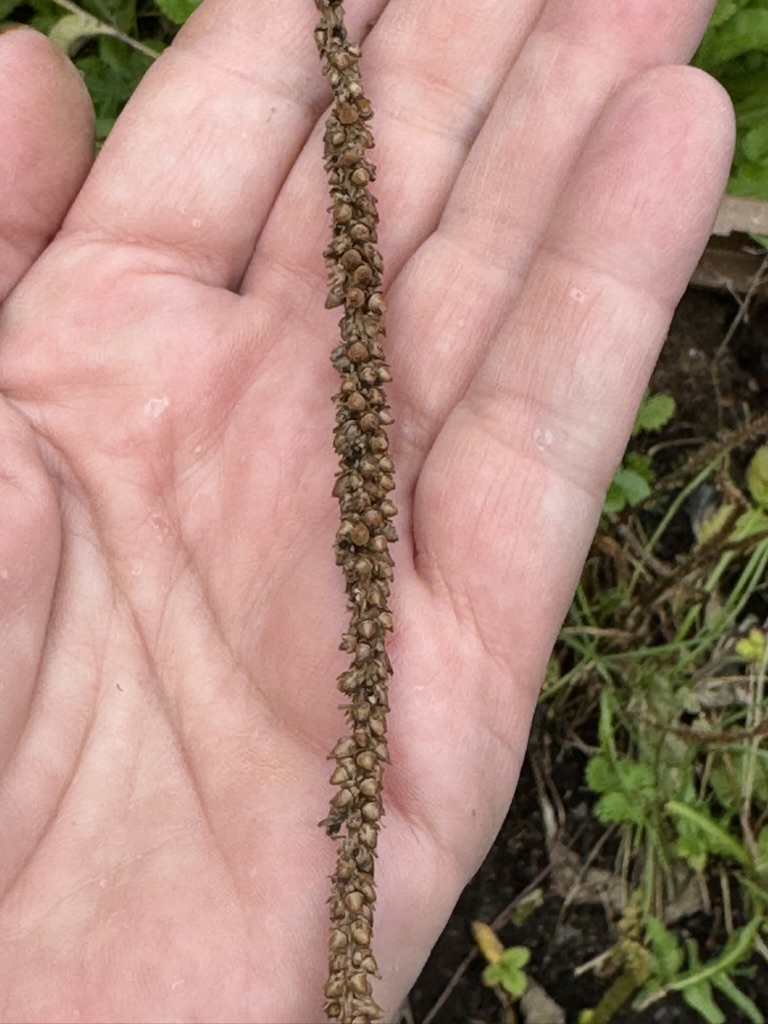
Plantain seeds are usually harvested between August and September. They are ripe when the seed heads turn brown and open easily when touched. The small seeds have a pleasantly nutty flavour and are regarded as a native alternative to psyllium.
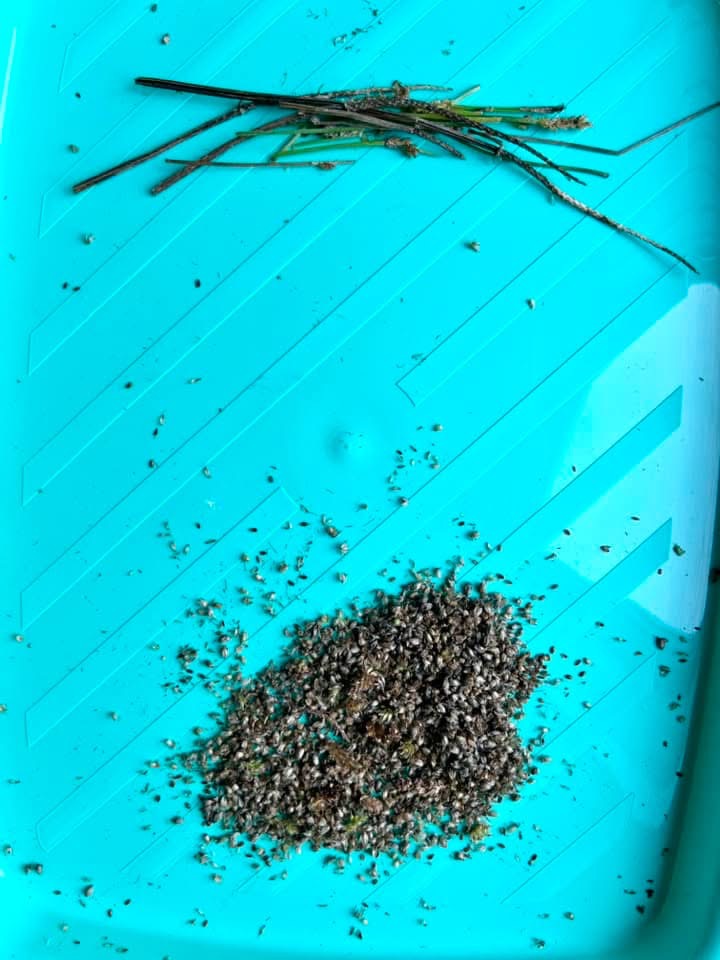
To harvest, the seed heads can either be stripped off directly or cut off completely. Cut stems ripen well in a dry place. The plantain seeds are then released from the husks by rubbing or shaking. Thorough drying before storage is essential.
Mallow
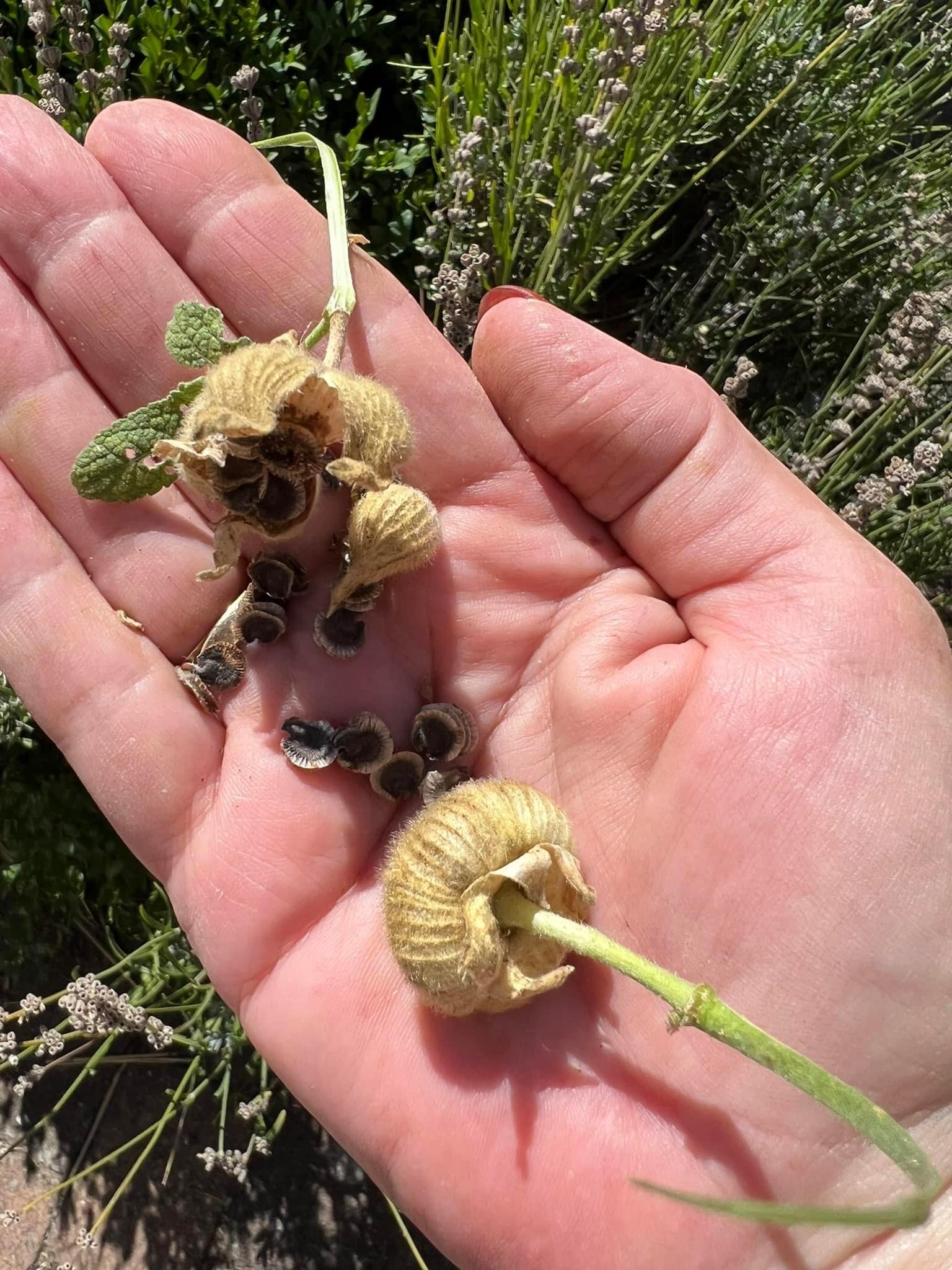
Mallows form characteristic disc-shaped seed capsules that visually resemble little cheese wheels. These are harvested from late summer into autumn, once they have dried out completely.
The dry seed heads are picked from the plant. If they are still slightly damp, the stems can be cut off and left to dry further in an airy place. The seeds can then easily be released from the capsules. Before storage, they should dry through well and then be kept somewhere cool, dry and dark in labelled paper bags.
Sow Thistle (Sonchus species)
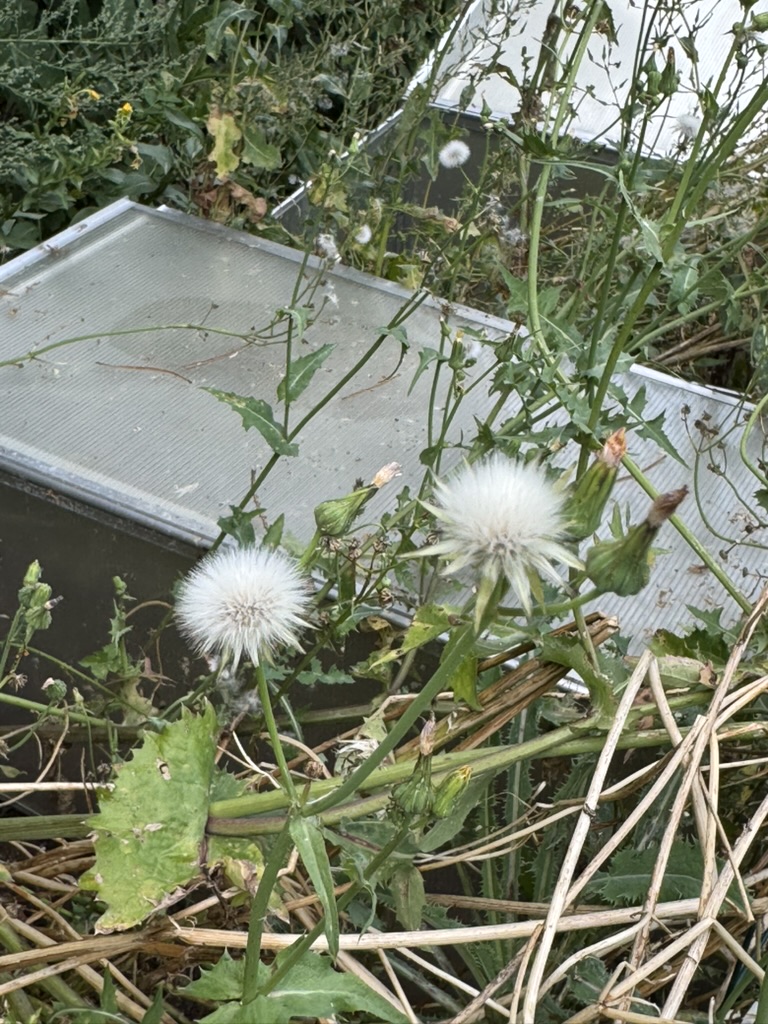
The seeds of sow thistle resemble those of the dandelion. After flowering, downy seed heads with airborne parachutes form. As soon as these appear dry and silvery, they can be harvested.
The seed heads are either carefully stripped off or cut off with scissors. To avoid losses, it is best to hold a collecting container underneath. After drying, the seeds are separated from the downy hairs. Ripe seeds are dark in colour and hard, and should be stored somewhere dry and protected from light.
Gallant Soldier (Galinsoga)
Gallant soldier produces a particularly large number of seeds and spreads very quickly. Seed formation begins just a few weeks after germination. Harvesting usually takes place in late summer or early autumn, once the flower heads turn brown.
As the seeds fall out easily, dry flower heads should be cut off carefully over a container. Alternatively, the whole plant can be hung upside down so that the seeds fall onto a cloth placed beneath it. After drying, plant parts are removed by sieving.
The seeds remain viable for a very long time and can survive in the soil for up to 20 years. Anyone wishing to prevent uncontrolled spread should therefore harvest the plants in good time.
General tips for storing seeds
Regardless of the plant species, the following applies:
- Always allow seeds to dry completely
- Store somewhere cool, dark and dry
- Use paper bags or breathable containers
- Label the containers to avoid mix-ups
This keeps the seeds usable for a long time and allows them to be sown successfully the following spring.
Forage plant seeds grow easily and quickly right on the calcareous grit. You can also lean out the soil and supply the forage plants with calcium by fertilising twice a year with dolomitic lime. Forage plants grown externally, for example in beds, greenhouses and raised beds, should likewise be supplied generously with dolomitic lime. You can find out more here: