Editorial note: Weeks 1–4 constitute the usual gradual temperature-reduction period. Weeks 5–6 concern resting and established brumation in the cold frame. Testudo graeca ibera from warmer southern habitats may require a slower individual schedule.
Patience is essential
The usual four-week reduction has now ended for Hermann’s and marginated tortoises. In Week 5, the priority is stability and careful observation in the cold frame. Temperatures at the tortoises should generally remain around 5–6 °C, avoiding temperatures below 4 °C. Check the substrate with a probe, the temperature at tortoise height and, when appropriate, the side of the carapace with an infrared thermometer.
If all animals have been inactive for about a week, the basking lamp may be switched off. If individual tortoises remain active, continue providing a warm basking spot for at least five hours daily until the animals are consistently withdrawn. Once inactive, only the necessary ambient temperature protection remains in operation.
Exception: spur-thighed tortoises from warmer habitats
Testudo graeca ibera from warmer southern habitats may still be in a slower temperature-reduction phase during this calendar week. Reduce towards about 5–6 °C day and night by no more than 1 °C per day, taking additional time if the animals remain active. This is not a fifth standard cooling week for all tortoises but an individual, habitat-related exception.
While any tortoise continues to feed, bathe or bask, provide a basking lamp for approximately five hours daily, reaching 35 °C at shell height. Once all have remained buried and inactive for a full week, the lamp may be switched off. Continue measuring temperatures in soil and at tortoise height.
Do not transfer resting tortoises prematurely
A merely inactive or sleeping tortoise is not necessarily fully brumating. Early transfer can lead to waking in the refrigerator and significant stress. Wait until tortoises have remained at less than 8 °C for approximately one to two weeks, with established brumation, before considering transfer. In particular, fully awake animals remain in the cold frame to prepare naturally.
Refrigerator preparation
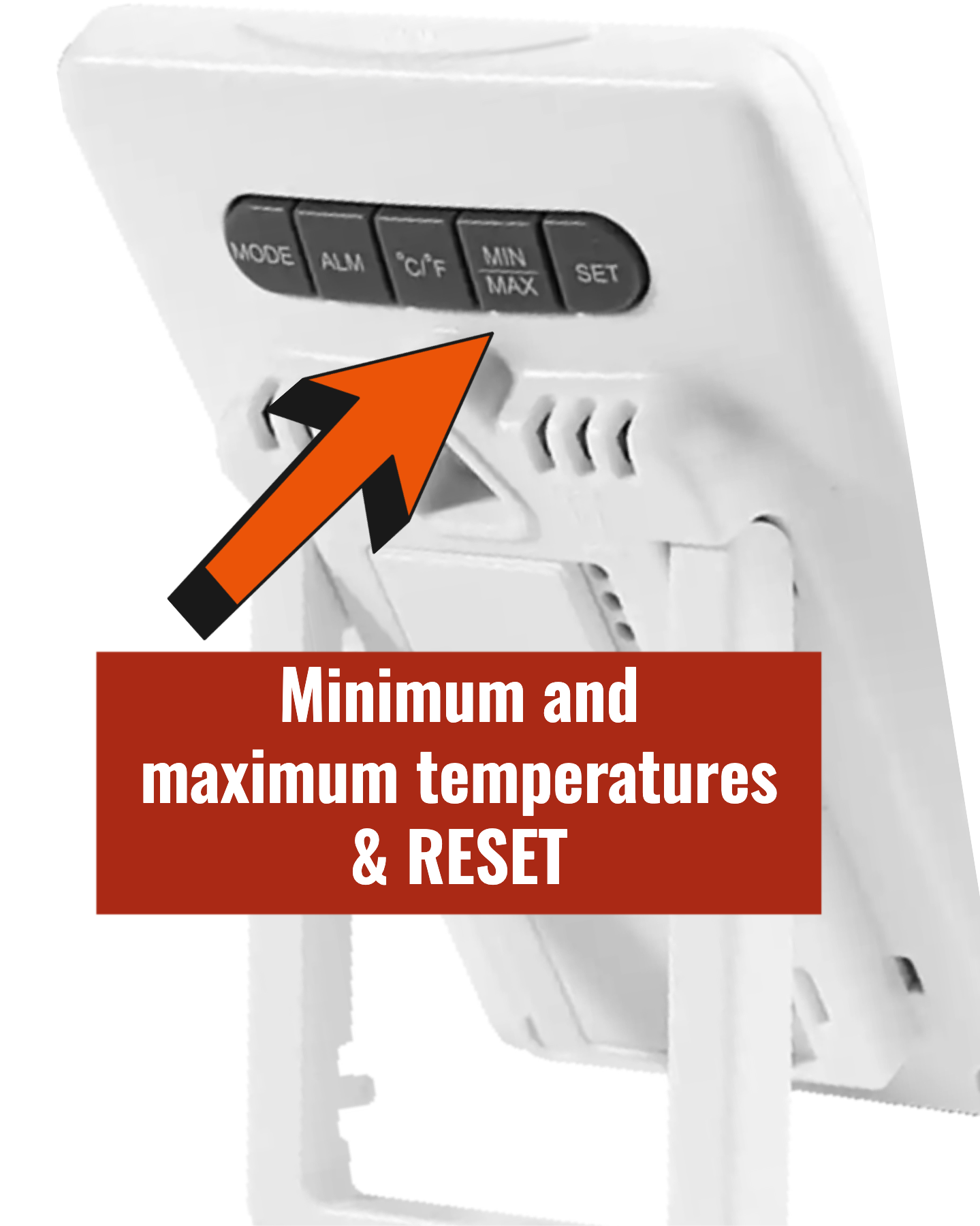
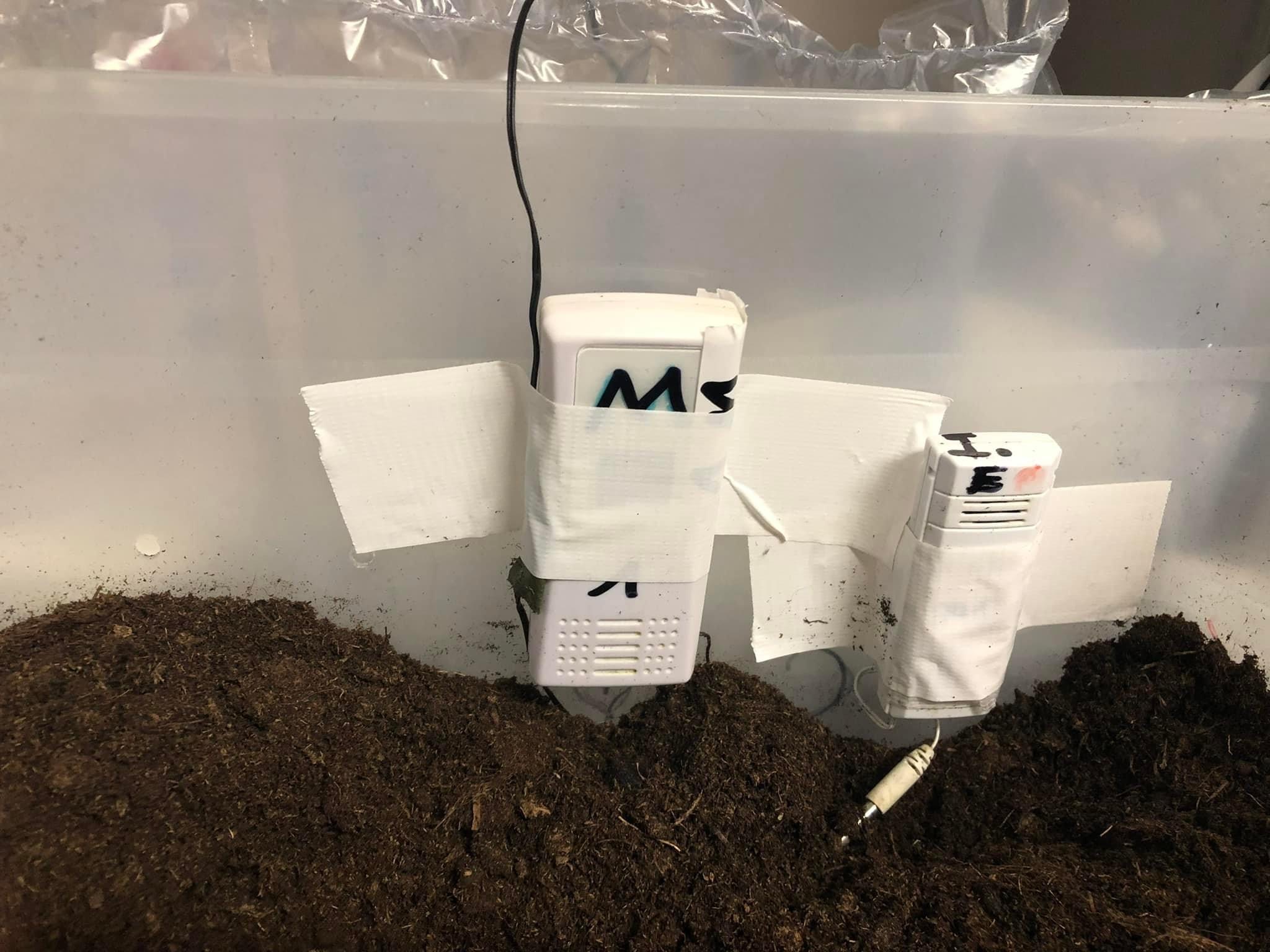
All brumation boxes should consistently remain within 4.5–7 °C. Daily minimum and maximum readings identify the coldest box. Place the UT300 or equivalent emergency cut-off sensor towards the rear of the coldest box, beneath the leaves and slightly into the substrate.
The German source gives indicative UT300 settings: OFF 0.2 °C below the observed minimum, never below 4.3 °C; ON 0.2 °C below the observed maximum, never above 5.8 °C. Its examples include 4.5–6.5 °C → OFF 4.3 °C / ON 5.8 °C and 4.9–5.9 °C → OFF 4.6 °C / ON 5.7 °C. These examples must be compared with the current English handbook before publication and verified without animals in the system.
Observe whether the emergency cut-off actually interrupts cooling; ideally it intervenes only in an emergency. A refrigerator may cool by as much as 1 °C after switching off. Adjust in 0.1 °C steps and observe each change for a day or longer.
Refrigerator Brumation Handbook
Transfer to the refrigerator
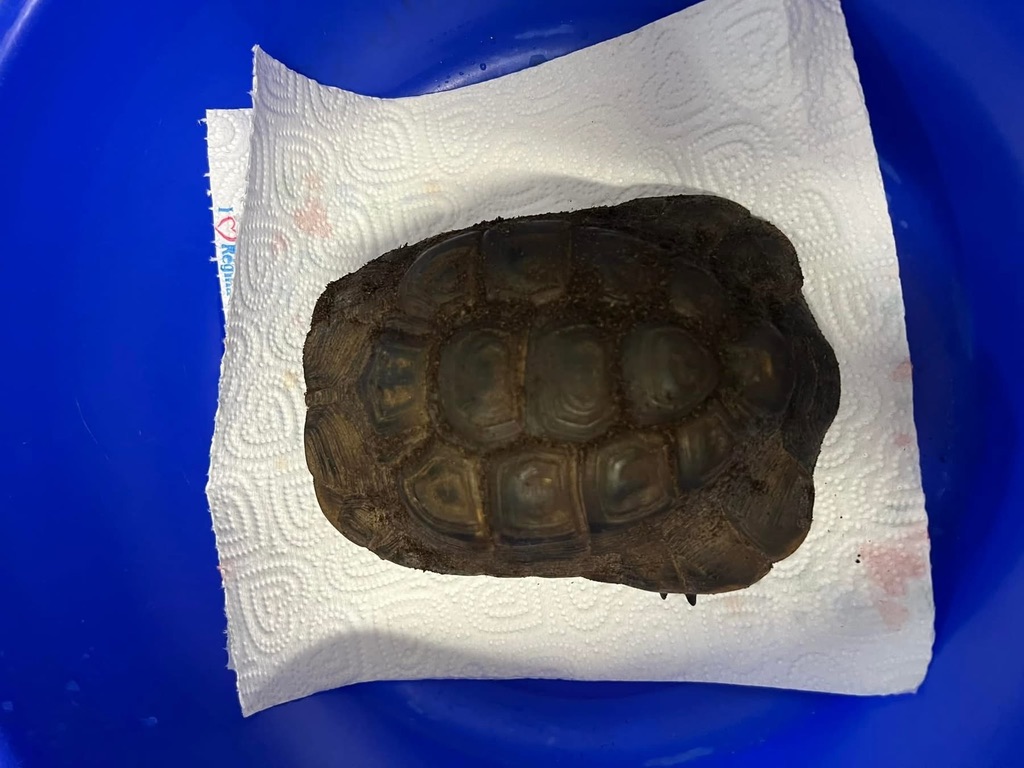
Once tortoises have remained fully brumating in the cold frame, consistently below 8 °C for approximately two weeks, and the refrigerator has been tested and secured, transfer may be considered. Weigh each animal and carry out a brief health check beforehand. The beginning of December is a guide rather than a fixed deadline.
Moving Tortoises into the Refrigerator
Refrigerator Brumation Checklist